Iran Says Hormuz Could Reopen in Two Hours if US Meets Its Demands
Iran's foreign minister says Tehran could reopen the Strait of Hormuz within two hours if Washington meets its conditions, laying out a shortened two-day plan to end the standoff over the vital waterway.
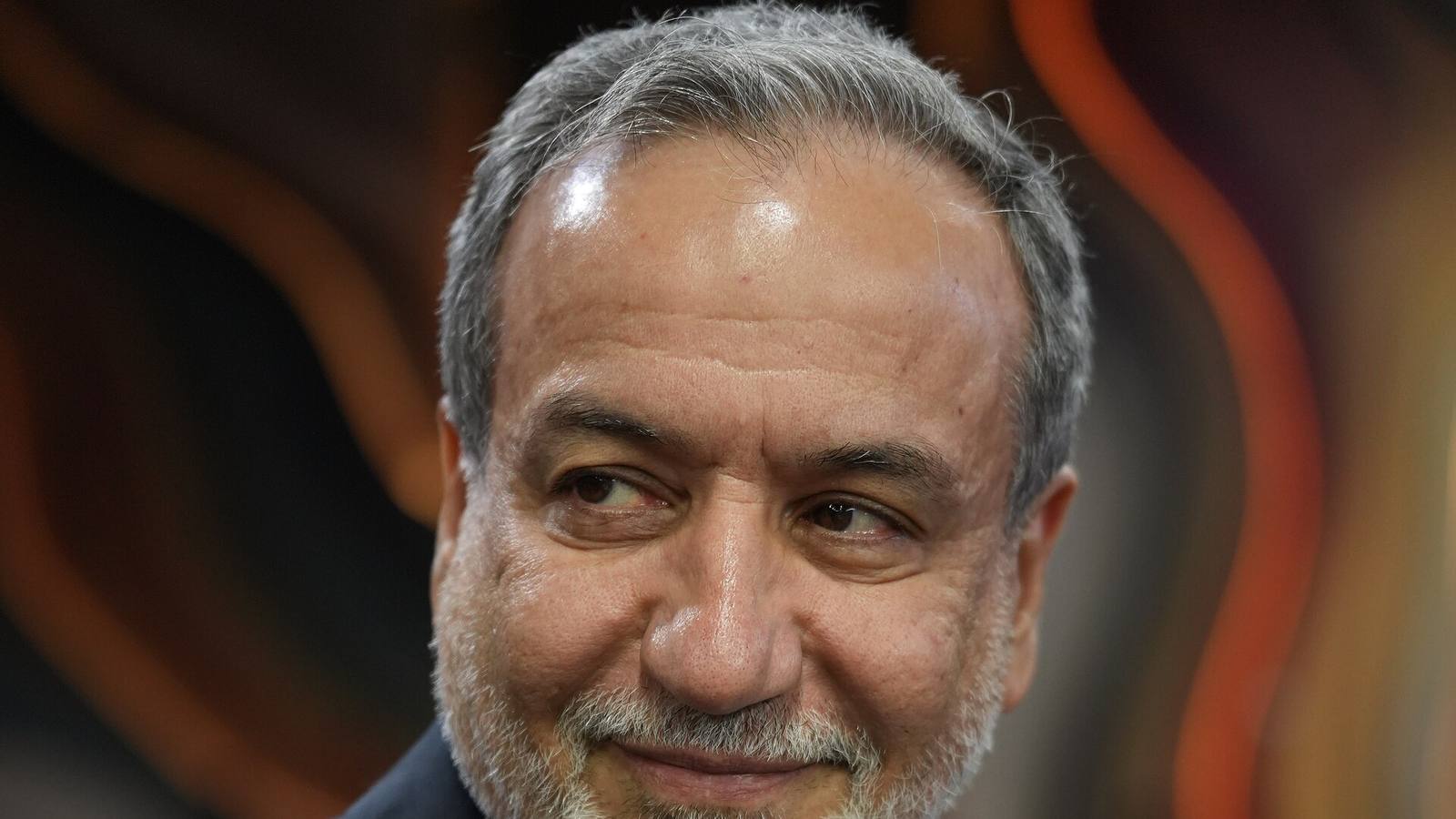
Abbas Araghchi said in an interview with an Iranian newspaper, published on Friday, that an earlier memorandum of understanding reached in Islamabad was "no longer on the table". He said the document had been finalised with the signatures of both countries' presidents, but that Washington's violation of a key provision had effectively ended it.
Tehran then folded the commitments Washington had accepted under that memorandum, along with a demand to lift new sanctions, into a proposal to reopen the strait. The plan was first drawn up as a seven-day process, but after two months of consultations through mediators from Qatar and Pakistan it was shortened to two days. Araghchi said it was submitted to Washington about ten days before the American elections, without a positive reply.
Under the two-day plan, Washington would carry out its commitments on the first day, ending the fighting on all fronts, lifting oil sanctions, releasing frozen Iranian assets and ending the naval blockade of Iranian ports. On the second day, Iran would reopen the strait to commercial shipping and talks on a final agreement, including the nuclear programme, would begin. "Even if the timetable is reduced from two days to one day or two hours, we have no problem with that. What matters is that Iran's demands are met," Araghchi said.
On the nuclear file, Araghchi said Iran was open to a negotiated formula for its stockpile of uranium enriched to 60 percent, but insisted the material would not be transferred outside the country and that enrichment could not be dealt with separately from the other demands. He said Iran's official nuclear doctrine remained unchanged. The United States has demanded that the material be handed over, and its secretary of state has rejected Tehran's conditions as unacceptable.
Araghchi said Tehran's first demand was for the American president to state explicitly that he wants an agreement, followed by confidence-building measures, noting that the president has said he does not want a deal. The war began in late February, and fighting resumed just fifteen days after a ceasefire in June. Messages between the two sides continue through Qatar and Pakistan, and Iran's Supreme National Security Council committee reviews the proposals before any decision.
Key points
- Iran's foreign minister says the Strait of Hormuz could reopen within two hours if the United States meets Tehran's demands.
- The earlier Islamabad memorandum is "no longer on the table" after Washington violated a key provision, Araghchi said.
- Under the two-day plan, the US would act first, ending the blockade and sanctions, before Iran reopens the strait on day two.
- Iran rules out sending its 60%-enriched uranium abroad, and the US has rejected Tehran's conditions as unacceptable.
Photo: Xuthoria, CC BY-SA 4.0, via Wikimedia Commons