Britons Stock Up on Tinned Food and Bottled Water as Government's 'Be Ready' Campaign Takes Hold
Shoppers across England and Wales have cleared shelves of bottled water and tinned food in the days since the government told every household to be ready to look after itself for three days without power, water or phone signal.
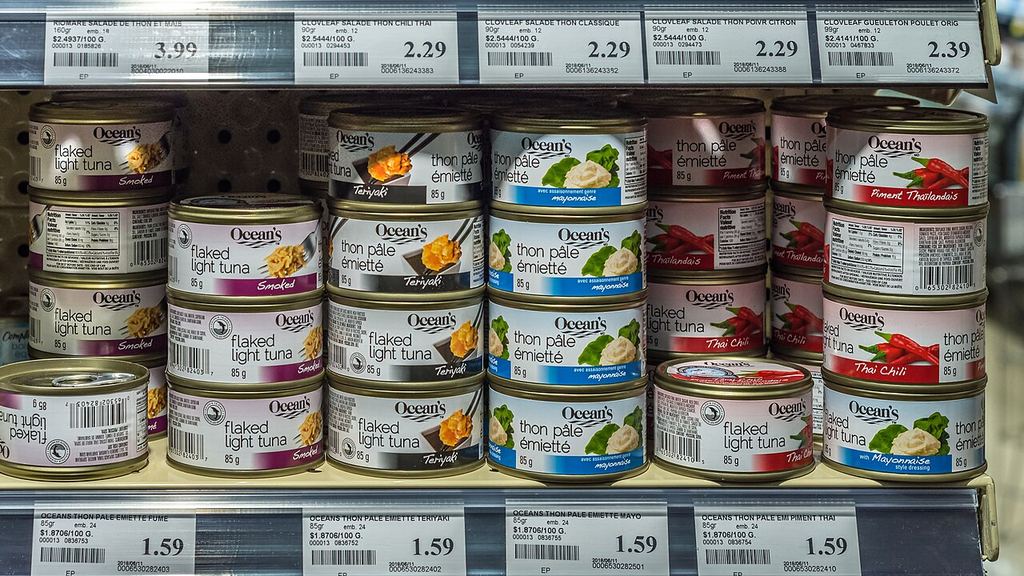
Sales of bottled water rose 67 percent in the ten days after the campaign began on 22 October, while tinned and jarred food rose 37 percent and hand sanitiser 83 percent, retail analysts Worldpanel by Numerator report. The rush recalls the early weeks of the pandemic, when supermarkets ran short of basic goods.
'Be Ready' is a three-year public information campaign run by the Cabinet Office, and its launch marked the first stage. Households in England and Wales are being asked to make sure they could manage without help for three days if the lights, taps, phones and internet all went down at once in a national emergency, so emergency services could focus on those who need help most. Scotland and Northern Ireland have their own advice channels.
The campaign's website sets out a checklist that starts with bottled water and long-life food that needs no refrigeration, such as tinned food and dried fruit and nuts. It also recommends a torch and spare batteries, a charged power bank, a radio that runs on batteries or a wind-up handle, some cash for use if card machines fail, a first aid kit, any regular medication, and warm clothes and blankets. The guidance suggests three litres of drinking water per person each day.
Ministers say the campaign is about ordinary crises such as storms, floods, wildfires and burst mains, and they have urged people to prepare gradually, adding an item or two to a normal shop rather than buying everything at once. Defence Secretary Wes Streeting, who has become the campaign's best-known public voice, has also tied household readiness to wider national resilience, pointing to hostile states targeting everyday infrastructure.
The government says the advice answers a gap in public readiness. In a Cabinet Office survey this year, just 13 in every 100 people described their household as largely or totally ready for an emergency, while 84 in every 100 said they wanted more guidance from the government. A 2025 Bournemouth University study found barely half of those asked felt they understood the dangers they faced, and about one in five had no idea what the risks were. The European Commission's March 2025 preparedness strategy advises citizens to manage alone for at least three days, and a parliamentary committee took evidence on public preparedness on 2 November.
Key points
- Bottled water sales rose 67 percent, tinned and jarred food 37 percent and hand sanitiser 83 percent in the ten days after the campaign launched on 22 October, according to Worldpanel by Numerator.
- The Cabinet Office's three-year 'Be Ready' campaign asks households in England and Wales to cope alone for 72 hours if power, water, phone and internet services all fail.
- The official checklist covers water, long-life food, a torch, batteries, a power bank, a wind-up radio, cash, a first aid kit, medication and warm clothing.
- Just 13 in every 100 people describe their household as largely or totally ready for an emergency, while 84 in every 100 want more guidance from the government.
Photo: Wilfredor, CC BY-SA 4.0, via Wikimedia Commons