Britain and EU Poised to Seal Reset Deal at Brussels Summit, but Divisions Remain
London and Brussels are poised to sign off a package of deals easing food trade and youth mobility at a summit in Brussels on Friday, in a reset of ties that still leaves the two sides apart over university fees and the longer-term future of the relationship.
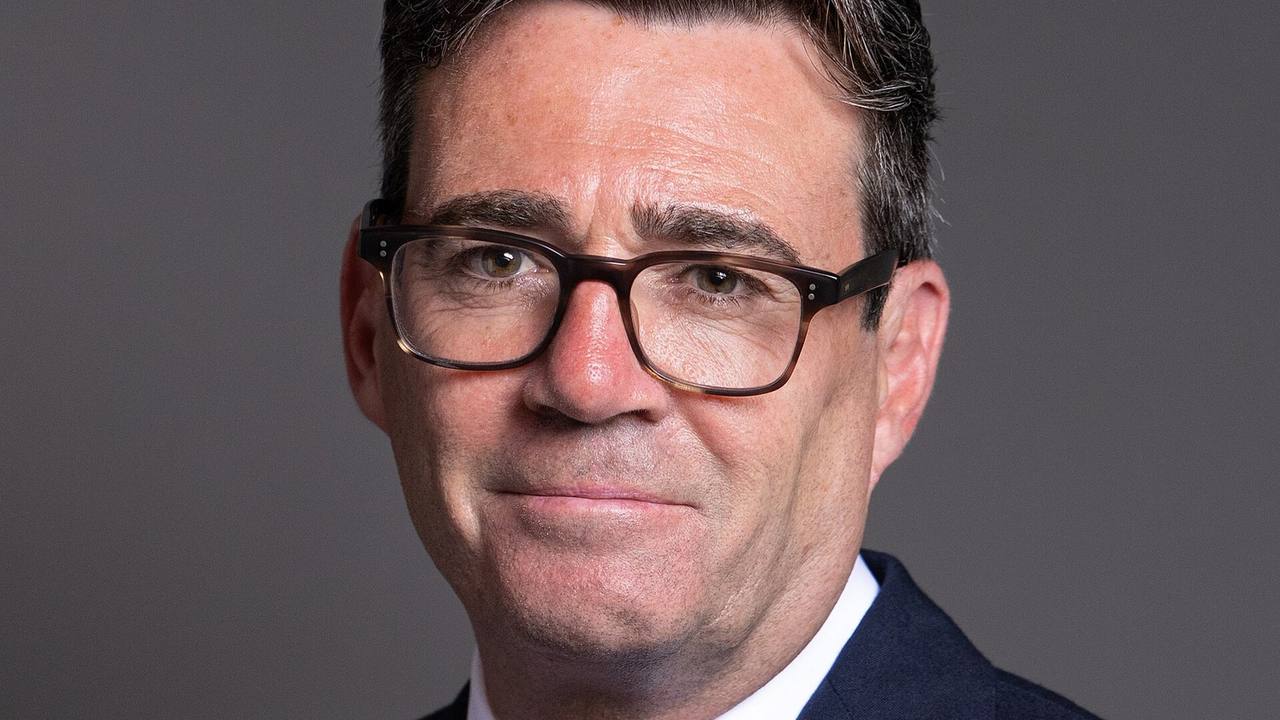
The summit, postponed from July after the resignation of Prime Minister Andy Burnham's predecessor, Keir Starmer, brings the two sides together to repair a small part of the economic damage from Britain's departure from the bloc. Negotiators have largely settled the reset package, but a draft joint statement still carries conflicting lines from the two sides about how far economic coordination should go.
The biggest single deal would let animals, plants and related products, including sausages and seeds, cross the border without the certificates and checks now required. Britain estimates the change could be worth up to 5.1 billion pounds a year to its economy. A separate agreement would connect the two sides' emissions trading systems, so goods such as steel escape each other's carbon border charges.
Young people would also be able to live, work or study on each other's territory for three years. Britain, where immigration helped drive the vote to leave the bloc, first proposed admitting only 50,000 a year, but diplomats say the two sides have now agreed on 100,000 in each direction. On tuition fees they remain apart: European governments want their students to pay home fees at British universities, typically around a third of the international rate, while Britain would rather offer fees that are significantly reduced. The two sides aim to settle the question within six months.
A key British demand is recognition within the bloc's Made in Europe framework, above all for cars. The EU has signalled it is willing to grant that, but only if Britain lines up behind its policies, a condition that could mean tariffs on Chinese electric vehicles. Beyond Friday, Brussels has made clear it will not open talks on a longer-term relationship until London decides whether it wants to reverse Brexit. Burnham is expected to set out his next steps on Monday, with the full range of options to appear in a ten-year plan in December, and Downing Street said legislation would go before Parliament next week if a deal is secured.
Key points
- Britain and the EU are poised to agree a reset package at Friday's Brussels summit, covering food trade, youth mobility and emissions trading.
- The food and farming deal alone could be worth up to 5.1 billion pounds a year to Britain's economy, Britain estimates.
- Youth mobility is agreed at 100,000 people a year in each direction for three years; tuition fees remain unresolved, with talks to settle them within six months.
- Divisions remain over EU rules and Made in Europe status, and Brussels has signalled no longer-term talks until London decides whether it wants to reverse Brexit.
Photo: House of Commons, CC BY 3.0, via Wikimedia Commons