Paris Bans Protests Near Schools and Universities as Unrest Enters Third Month
Police in Paris have banned protests near 10 high schools and five universities for five days, as a blockade movement that began in late September enters its third month and a fifth straight Saturday of nationwide rallies drew the lowest turnout yet.
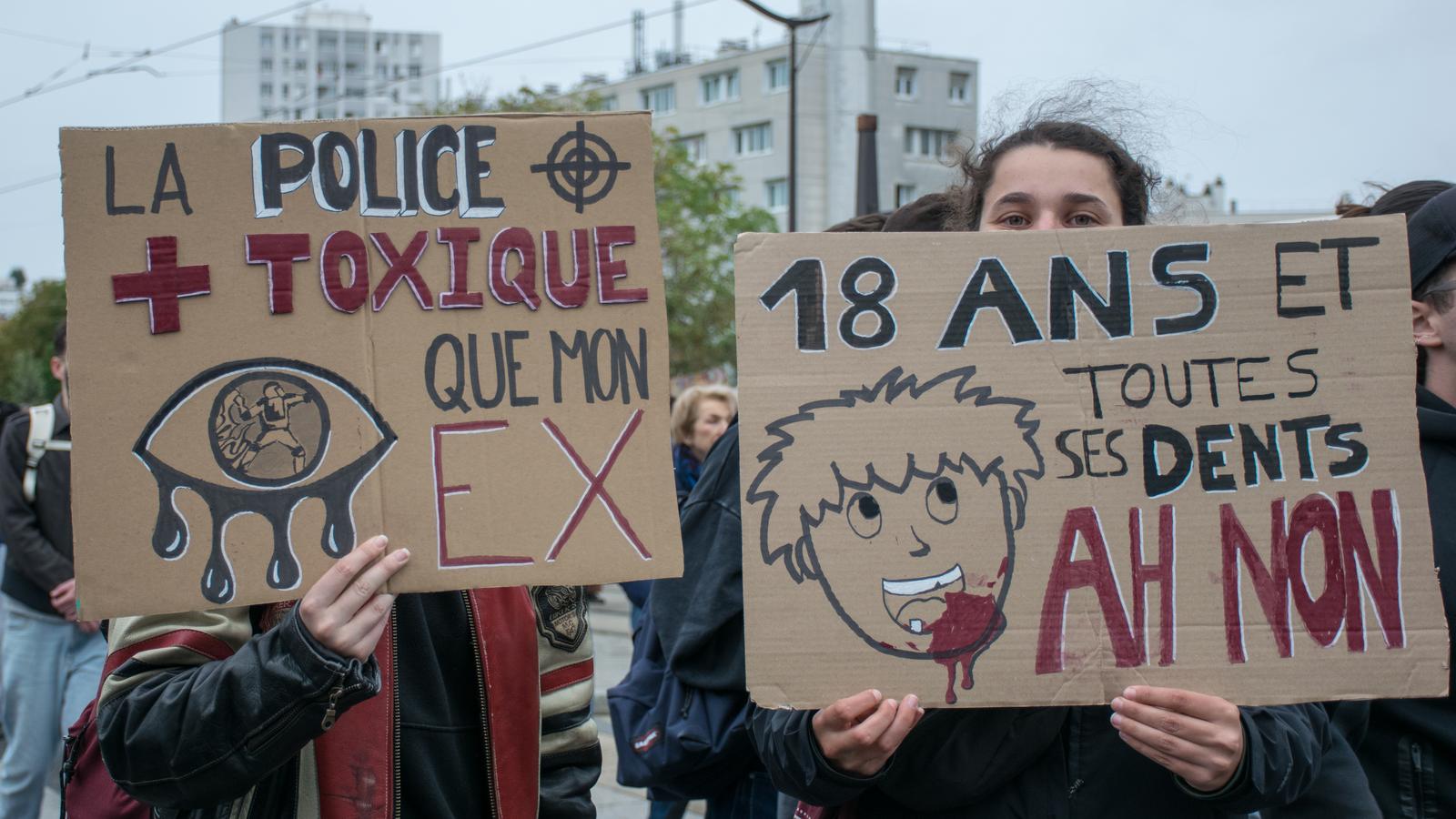
The Paris police order, issued on Sunday, bans unauthorised gatherings and marches within 100 metres of the sites from Monday to Friday. It covers 10 of the capital's roughly 150 secondary schools and five universities, including faculties at the Sorbonne. Police chief Patrice Faure said the ban was needed because of numerous disruptions and blockades around schools and universities in Paris and the surrounding region, carried out as part of a social movement of persistent scale and violence.
The interior ministry put nationwide turnout on Saturday at about 106,000 people, including 24,000 in Paris, the lowest figure for the weekend rallies in recent weeks. Student unions gave a much higher count, about 200,000 nationwide and almost 100,000 in the capital. The main Paris march set off from Place de la Republique in the early afternoon and moved through Bastille toward Nation, alongside two other demonstrations in the city: a march against violence against children and a Yellow Vest rally. Police said 23 people were detained in Paris and more than 2,000 identity checks were carried out.
The rallies were largely peaceful, but officers used tear gas in the capital and in the western cities of Bordeaux and Nantes. About 70,000 police had been deployed across the country, roughly 10,000 more than the previous weekend, with elite units, mounted police, helicopters, drones, armoured vehicles and water cannon on standby. The interior minister had warned the authorities would be uncompromising with anyone committing violence.
The unrest began in late September as school blockades and demonstrations over the 2027 budget, then widened into a broader movement against rising prices, strained public services and a contested police bill. The bill, already approved by the lower house and now awaiting the Senate, would give officers a presumption that they acted in legitimate self-defence when they use their weapons. Supporters, including the far-right National Rally, say it would stop officers being automatically suspected of excessive force. Critics call it a licence to kill. Trade unions have called a fresh strike for Tuesday after rejecting a proposed 0.6% rise in the minimum wage.
Key points
- Paris police banned unauthorised gatherings within 100 metres of 10 high schools and five universities, from Monday to Friday.
- About 106,000 people marched nationwide on Saturday, 24,000 of them in Paris, the lowest weekend turnout yet, though unions put the figures far higher.
- Police used tear gas in Paris, Bordeaux and Nantes, detained 23 people in Paris, and deployed about 70,000 officers across France.
- Unions have called a fresh strike for Tuesday after rejecting a proposed 0.6% minimum-wage increase.
Photo: Jules*, CC BY-SA 4.0, via Wikimedia Commons