Gulf Shipping Insurance Soars as Blockade Squeezes Trade
A United States maritime agency memo says the naval blockade of Iran is pushing up insurance premiums and cutting cargo capacity in the Gulf, as the cost of sending ships through the Strait of Hormuz climbs sharply.
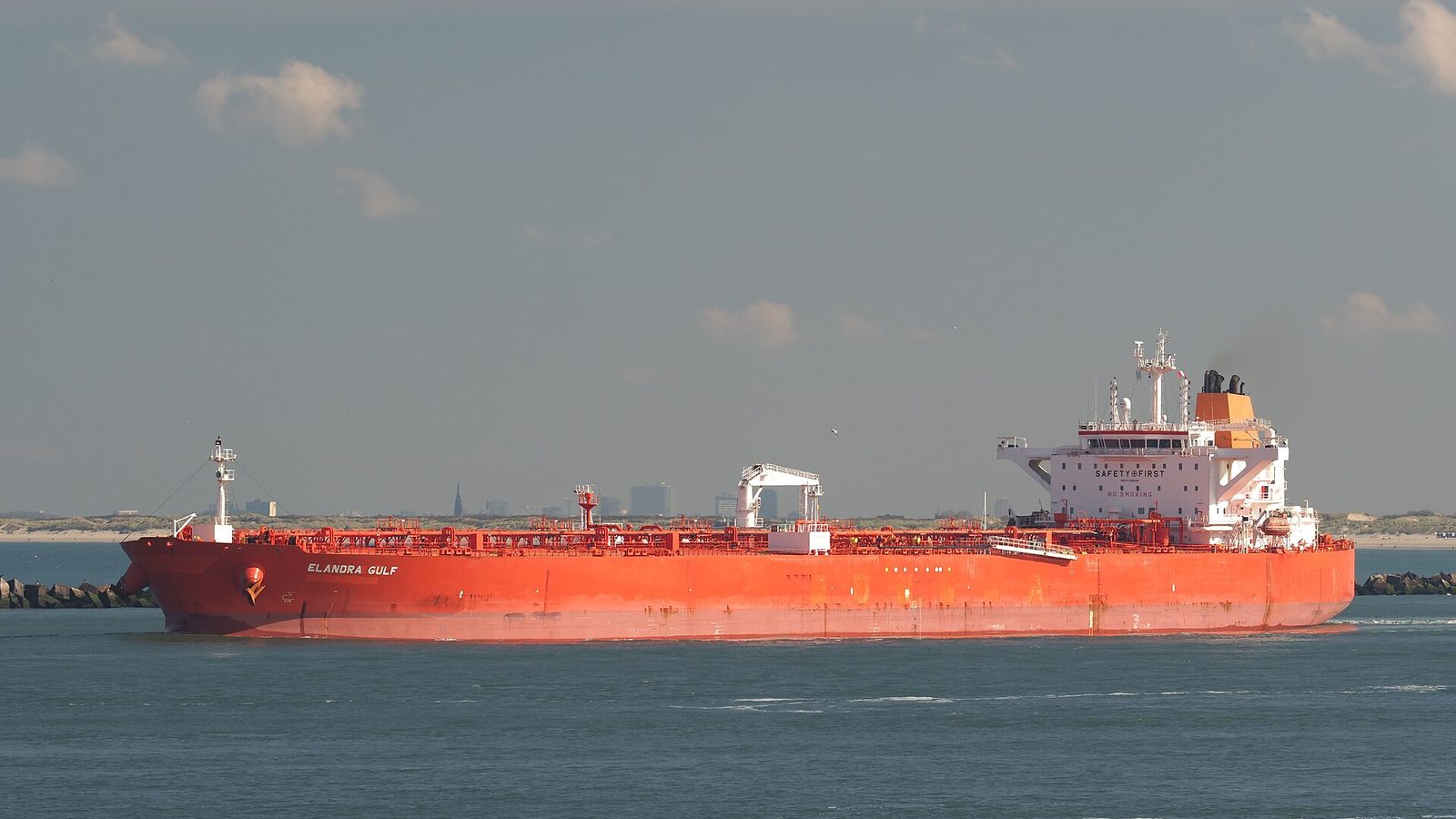
Acting Navy Secretary Hung Cao told a Senate hearing on November 17 that cover for one Hormuz crossing had risen from $54,000 before the war to $64 million. The figure has not been independently verified, and shipping analysts say it lacks detail on the vessel and the cover involved. S&P Global reported in July that war-risk rates had reached 7.5 to 10 percent of a vessel's value, which would mean about $21 million for a large crude tanker.
Major container lines are already pulling back. Maersk has stopped taking cargo bookings for most Gulf destinations until further notice, Hapag-Lloyd has paused sailings serving the upper Gulf, and MSC has wound down its Gulf-bound sailings while adding an $800 charge per container. Before the war, about a fifth of world oil shipments passed through the strait, and traffic through it remains far below pre-war levels.
Key points
- A US Maritime Administration memo says the blockade is raising Gulf insurance premiums and cutting cargo capacity.
- The acting Navy secretary told the Senate that insuring one Hormuz transit now costs $64 million, up from $54,000; the figure is unverified and analysts question it.
- Maersk, Hapag-Lloyd and MSC have suspended or curtailed Gulf services as war-risk premiums climb.