Nepal-China Flood Death Toll Passes 1,400 as Thousands Remain Missing
The death toll from the flash floods that swept the Nepal-China border in August has risen past 1,400, Nepal's disaster authority said, with more than 6,000 people still missing and search teams still working through the valleys.
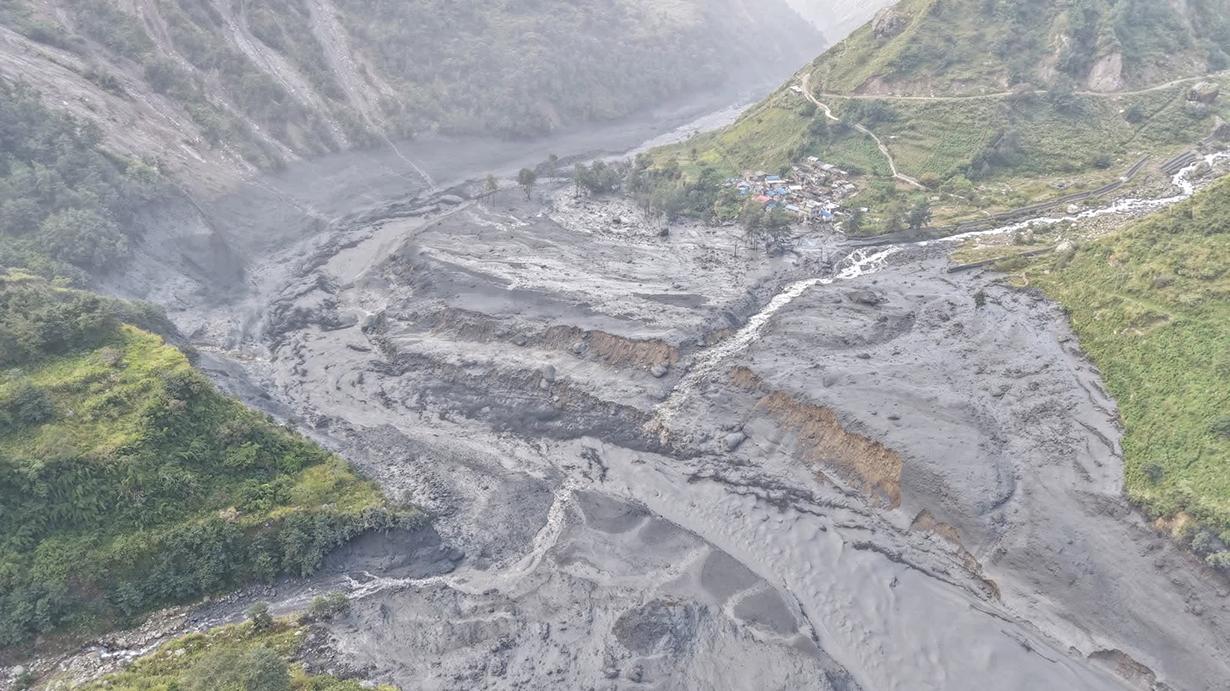
Nepal's National Disaster Risk Reduction and Management Authority said 1,451 bodies had been recovered in Nepal and 5,745 people remained missing. Chinese authorities reported 43 people killed and 519 missing in Gyirong County, across the border in Tibet. The count is still being revised as teams reach remote settlements, and hundreds of foreign nationals are among the missing.
The floods struck on 26 August, when a high-altitude glacier collapse sent a surge of water, mud and rock down the Lhende Khola into the Bhotekoshi river, sweeping away roads, bridges and settlements near the Rasuwagadhi border crossing. The United States Geological Survey first recorded the collapse as a magnitude 4.4 tremor before revising it to a magnitude 5.2 landslide. The Red Cross estimates at least 93,000 people have been affected and are in great need, and three districts have been declared disaster crisis areas for three months.
Nepal has taken the disaster to the COP31 climate summit in Antalya, where its foreign minister is pressing for climate finance to be delivered as grants rather than loans, and for a dedicated agenda for mountain nations.
Key points
- Nepal's disaster authority says 1,451 bodies have been recovered and 5,745 people are still missing; China reports 43 killed and 519 missing in Tibet.
- The floods were triggered on 26 August by a glacier collapse that sent water, mud and rock down the Lhende Khola into the Bhotekoshi river.
- Nepal has raised the disaster at the COP31 climate summit, pressing for grant finance and a dedicated mountain agenda; the Red Cross says at least 93,000 people have been affected.