Fake Video Calls, Real Losses: How a Deepfake Trap Drained $400 Million in Crypto
Hackers working for North Korea have stolen more than $400 million from cryptocurrency workers by luring them onto video calls with familiar faces that were not real, investigators say.
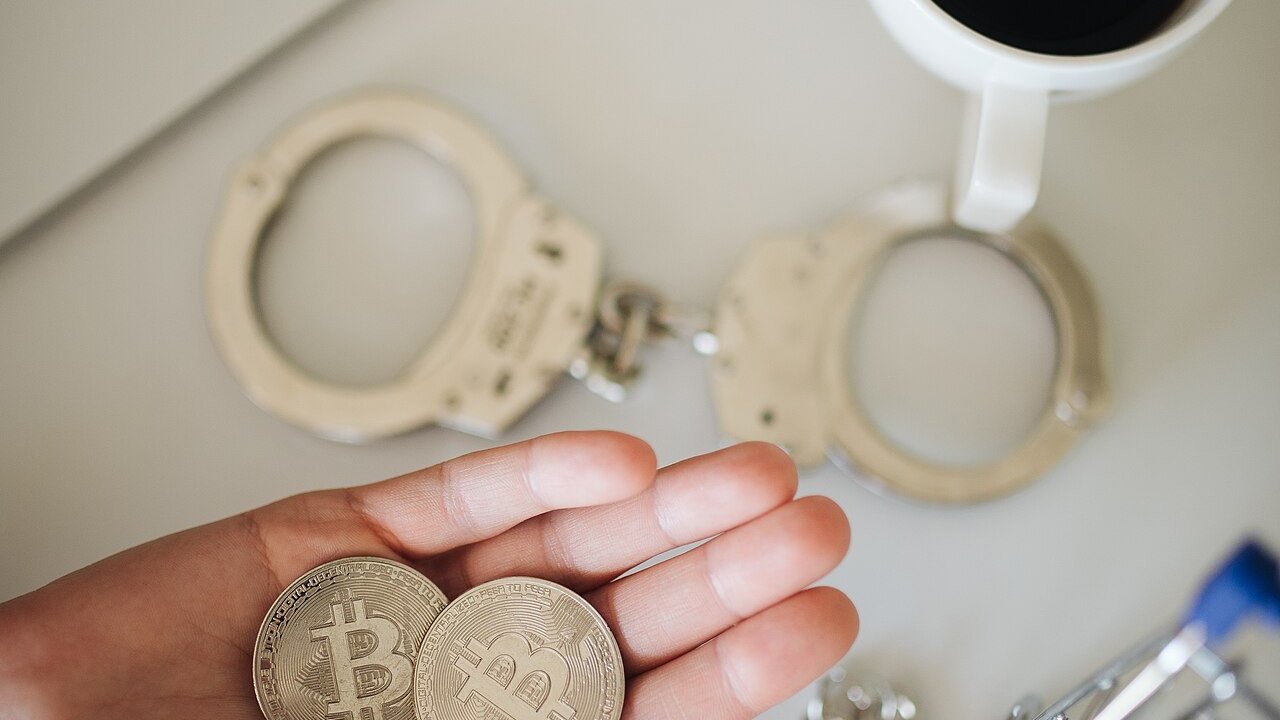
The FBI said on Thursday that hackers working for the North Korean state have stolen more than $400 million over the past 18 months through a scheme the bureau has named FaceStealer. More than 900 people are believed to have fallen victim to it, most of them working in the cryptocurrency and Web3 industries.
The trap begins with trust. The hackers steal a real person's identity and use AI-powered deepfake video to impersonate them on a video call, luring a target into what looks like a routine meeting with a colleague or contact. Midway through the call, they invent a technical fault — and the fix, they say, requires the victim to click a link or accept a prompt. That click quietly installs malware on the victim's machine.
From there the scheme feeds on itself. Once they can read the victim's address book and messaging accounts, the hackers can impersonate that person in turn, using their identity and even their image to set up the next call and the next theft. Investigators say the bureau has seized more than 900 webcam videos connected to victims of the scheme, a sign of how systematically the impersonations were staged.
Officials were blunt about why the money matters. The FBI says the North Korean regime relies on money stolen in huge cryptocurrency heists to pay for its banned weapons programme, and that state-backed hackers have stolen billions of dollars in recent years. In a separate case this month, the bureau accused North Korea-linked hackers of stealing $6 billion from a leading cryptocurrency exchange — a charge Pyongyang denies.
The warning for anyone who works around digital assets is uncomfortable: the bureau says the scheme is capable of deceiving even experienced and security-conscious users, precisely because it exploits two things modern work runs on — video calls and personal relationships. A familiar face on a screen, investigators stress, is no longer proof of who is really calling.
Key points
- More than $400 million has been stolen in 18 months, with over 900 victims.
- Hackers use AI deepfake video calls, posing as people their victims know.
- A fake technical fault tricks victims into installing malware, and stolen contact lists spread the trap further.
- The FBI says the theft proceeds fund North Korea's illicit weapons programme.
Photo: Shixart1985, CC BY 2.0, via Wikimedia Commons