Pakistan Seals 13 Mineral Deals and Pledges to Stop Shipping Raw Ore Abroad
Pakistan has signed 13 mineral deals with foreign partners and promised to end the export of unprocessed ore, as its top civilian and military leaders told investors the country will build the full chain from mine to factory at home.
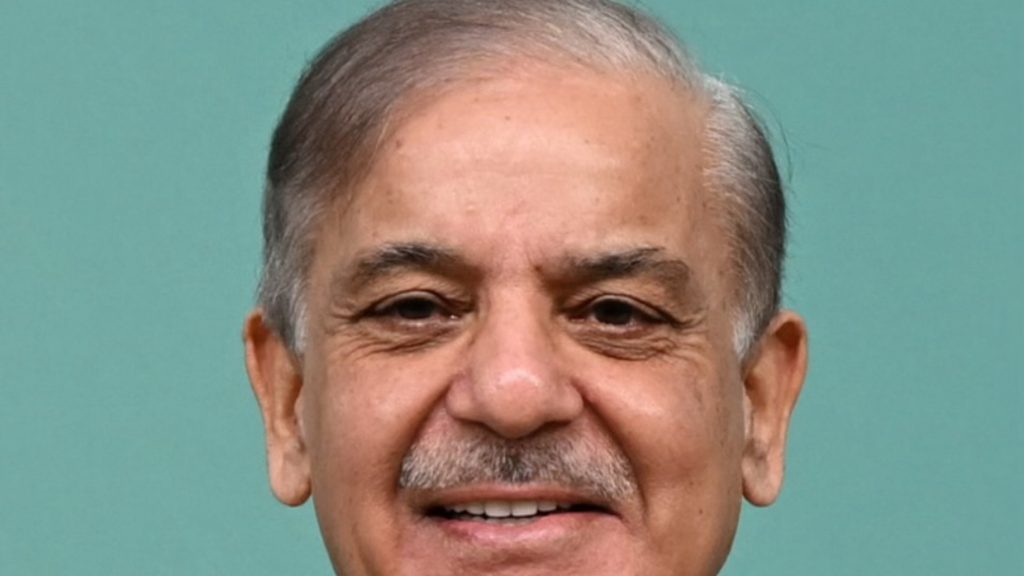
The two-day Pakistan Minerals Investment Forum 2026 in Islamabad closed on Friday with the signing of 13 agreements and memorandums of understanding, drawing delegations from about 60 countries. Prime Minister Shehbaz Sharif and Chief of Defence Forces Field Marshal Asim Munir both addressed the forum, promising security and protection for investors, workers and projects.
The prime minister said the practice of shipping minerals out of the country in raw form must come to an end, urging investors to set up processing, refining and manufacturing facilities inside Pakistan so the country's mineral wealth creates jobs and industry at home. He said production of copper and gold at Reko Diq, in Balochistan's Tethyan copper belt, was expected to start in 2028 after being stalled for about two decades, and expressed the hope that Pakistan could become the world's sixth-largest economy earlier than 2050.
Field Marshal Munir said unlocking the country's mineral wealth was a collective national objective and that every possible measure was being taken to secure the whole mining sector, covering mines, workers, investments, industries and projects. He added that people living in mineral-rich areas must see tangible improvements in their lives as development goes ahead.
Among the announcements, the Frontier Works Organisation put the copper in Chagai district's Dasht-i-Kain area at about 350 million tonnes, based on analysis of roughly half of its drilling data. Deals signed at the forum included a joint venture between Turkiye's Lidiya Mining and Mari Minerals to explore for minerals in Chagai, an agreement between Turkiye's MTA International and the Pakistan Mineral Development Corporation covering antimony, copper, gold, silver and molybdenum in Pishin, and memorandums with the American firm Ivanhoe Atlantic for copper and gold exploration in Chagai. Barrick is also exploring investment in mineral processing facilities in Karachi and Gwadar. The country's mineral reserves have been estimated at about $8 trillion spread over 600,000 square kilometres.
Key points
- Thirteen agreements and memorandums of understanding were signed as the two-day Pakistan Minerals Investment Forum closed in Islamabad, with delegations from about 60 countries.
- The prime minister said raw mineral exports must end and urged investors to process, refine and manufacture inside Pakistan.
- Copper and gold production at Reko Diq is expected to begin in 2028 after stalling for about two decades.
- The Frontier Works Organisation put copper reserves in Chagai district at an estimated 350 million tonnes, and Barrick is exploring processing plants in Karachi and Gwadar.
Photo: Press Service of the President of Azerbaijan, CC BY 4.0, via Wikimedia Commons