World Court to Rule on Rohingya Genocide Case as Refugees Await Justice
The world's highest court will rule on Thursday whether Myanmar committed genocide against the Rohingya, a decision refugees in Bangladesh have waited seven years to hear.
Judges at the world court in The Hague will begin reading the ruling at 10:00 local time (09:00 GMT) on 19 November, in the case The Gambia brought in November 2019. The Gambia accuses Myanmar of breaching the 1948 Genocide Convention during a military crackdown in Rakhine state in August 2017, when at least 730,000 Rohingya fled across the border into Bangladesh. Myanmar denies the charge and says its forces were carrying out a legitimate counter-terrorism campaign.
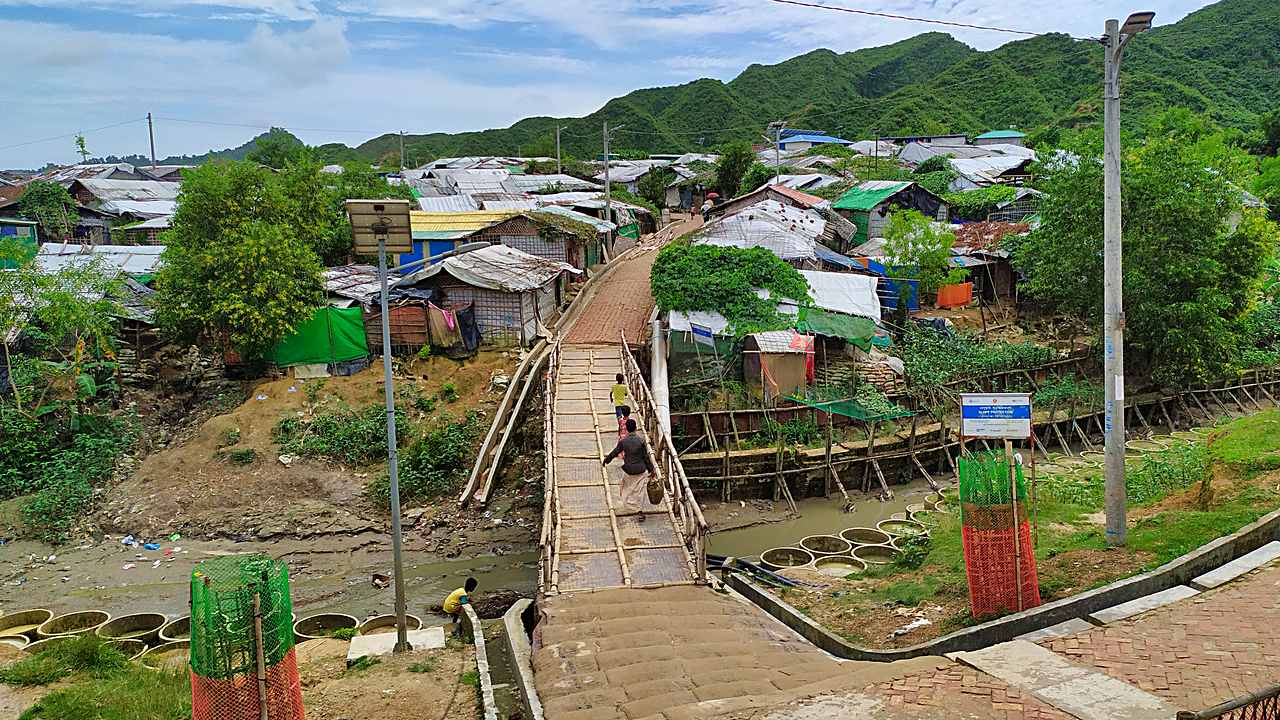
For the refugees, the ruling is about recognition and a way home. Around 1.2 million Rohingya now live in Bangladesh, most of them in camps in Cox's Bazar, and many say they want the court to confirm what happened to them and to open a path back with citizenship and basic rights. Community leaders say a ruling alone will not be enough: the year's aid appeal had reached only around 60 percent of its target by June, and the Arakan Army, which now controls most of Rakhine, is not a party to the case.
The case has moved slowly through the court. Judges ordered emergency measures in January 2020, rejected Myanmar's objections to the court's jurisdiction in July 2022, and heard full arguments from both sides in January 2026. The Gambia wants the judges to rule that Myanmar committed genocide, conspired to commit it, and failed to prevent and punish it, and to order reparations including safe and dignified repatriation. Once read out, the ruling cannot be appealed.
The ruling could also set a precedent. No state has ever been found by the court to have itself committed genocide, although the judges recognised that genocide took place at Srebrenica in 1995. Lawyers watching the case say the reasoning on intent could shape other genocide cases before the court, including South Africa's case against Israel over Gaza. The court has no police force of its own, and enforcement of any ruling would fall to the United Nations Security Council, where China and Russia hold vetoes.
Key points
- The world court will deliver its judgment on Thursday 19 November, with judges starting to read it at 10:00 local time (09:00 GMT) in The Hague.
- The Gambia brought the case in 2019, accusing Myanmar of genocide against the Rohingya in its 2017 crackdown in Rakhine state.
- At least 730,000 Rohingya fled to Bangladesh in 2017, and around 1.2 million now live there, most of them in camps in Cox's Bazar.
- Once read out, the ruling cannot be appealed, and it could be the first time the court finds a state itself responsible for committing genocide.
Photo: Rocky Masum, CC BY-SA 4.0, via Wikimedia Commons