Student Movement Takes Its Seats in Serbia's Parliament After Historic Election Win
Serbia's student-led movement took its seats in parliament on Tuesday, turning nearly two years of street protest into the country's governing majority and ending 14 years of rule by Aleksandar Vucic's party.
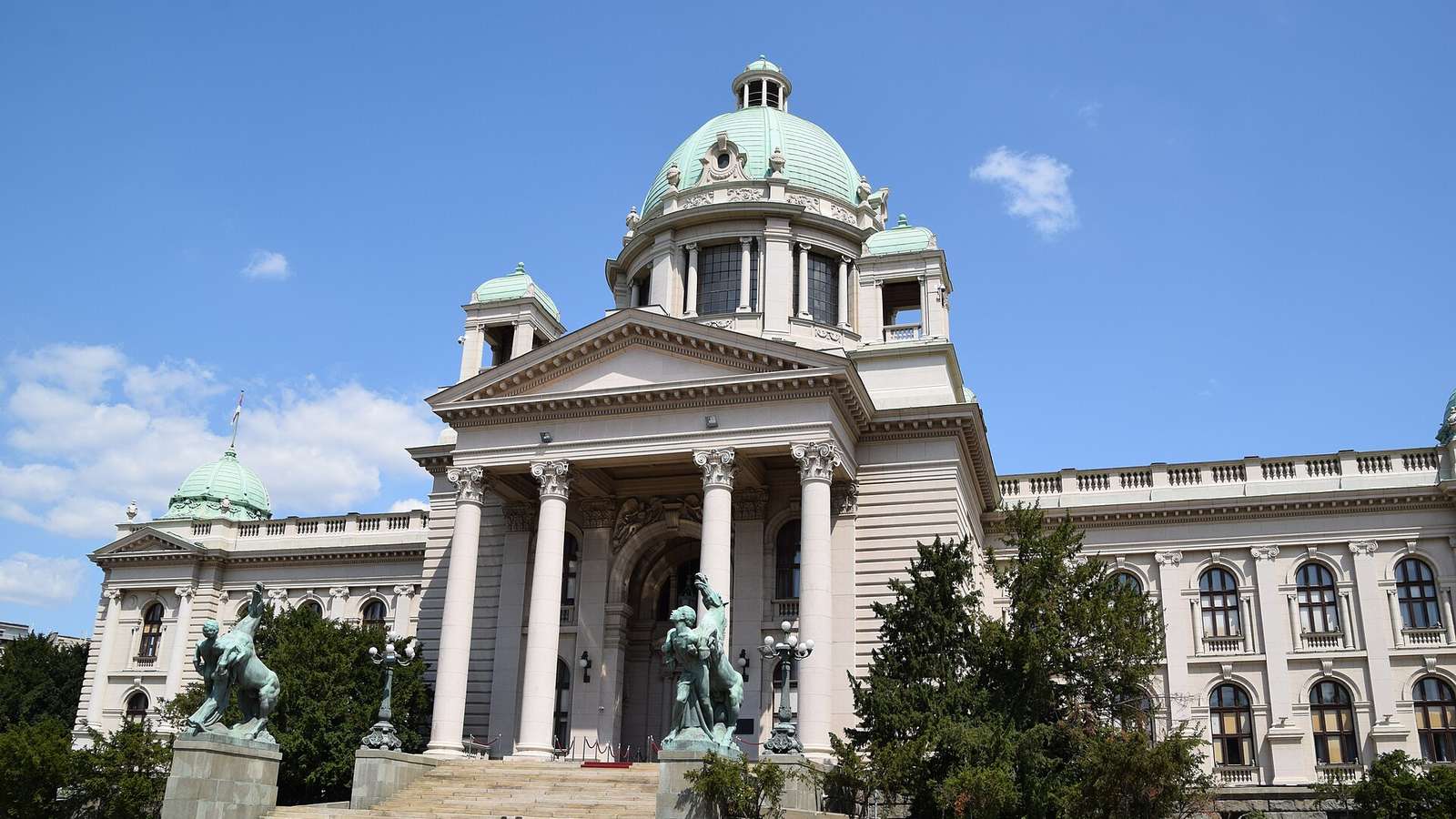
Deputies from the Student List walked up a red carpet into the National Assembly building in Belgrade, cheered by hundreds of supporters, for the inaugural session of the new parliament. The session formally seats the movement's 140 lawmakers in the 250-seat chamber and opens the process of confirming mandates and electing a speaker, a post Aleksandar Cupic, an assistant professor in engineering, is tipped to take. Until a speaker is chosen, the session is chaired by the oldest member of parliament, assisted by the four youngest lawmakers from the largest lists.
The Student List won 140 seats in the snap election on October 25, according to final results from the electoral commission, with about 2.35 million votes. Vucic's Serbian Progressive Party took 103 seats and parties representing ethnic minorities hold the remaining seven. Turnout reached 64.9 percent by 6pm on polling day, the highest since the breakup of Yugoslavia in 1992, and the result was celebrated in the streets of Belgrade as Vucic conceded defeat.
The movement was born from protests that began in November 2024, when a concrete canopy collapsed at the railway station in Novi Sad and killed 16 people. Demands for accountability over a disaster widely blamed on corruption widened into a campaign against graft and repression, and the movement fielded 250 candidates, many of them academics, doctors, farmers and actors with no political experience, on a platform of restoring the rule of law. Vucic resigned the presidency in September to run for prime minister, a bid that failed, and now sits in parliament as an opposition lawmaker, while the outgoing speaker, Ana Brnabic, has served as acting president.
The new majority now has 90 days to name a prime minister, present its programme and form a government, with a caretaker cabinet staying in office until then. A snap presidential election must also be called by November 27 and held by December 27. The movement has promised a domestic anti-corruption programme built on institutional overhaul, but its inexperienced lawmakers now face the harder test of governing, and analysts caution that the path from protest to power is untested.
Key points
- Student List deputies took their seats at the inaugural session of Serbia's new parliament on Tuesday after winning 140 of 250 seats in the October 25 snap election
- The result ends 14 years of rule by Aleksandar Vucic's Serbian Progressive Party, which took 103 seats, with minority parties holding the remaining seven
- Lawmakers must confirm mandates and elect a speaker, with Aleksandar Cupic tipped for the post; the new majority has 90 days to form a government
- The movement grew from nearly two years of protests that began after the Novi Sad station canopy collapse in November 2024 killed 16 people
Photo: George M. Groutas, CC BY 2.0, via Wikimedia Commons