Iran Says It Will Not Wait to Be Hit as US and Israel Draw Up Plans for New Strikes
Iran's deputy foreign minister has warned that Tehran will not wait for the United States to attack first, as the US and Israel draw up plans for renewed strikes and a third American carrier strike group gathers in the region.
Iran's deputy foreign minister, Kazem Gharibabadi, said on Sunday that Tehran would not wait for the United States to strike before acting, suggesting Washington was using diplomacy to buy time. He said Iran had prepared for talks, a blockade, or renewed war. "Iran is not Cuba that you can blockade, nor is it Venezuela that you can force to surrender," he said. The Guards were building missiles with new ranges and would not let United Nations nuclear inspectors in until the war was permanently over.
Gharibabadi also set out Tehran's terms: a plan to end the war and reopen the Strait of Hormuz within two days, needing a permanent end to the fighting, an end to the American blockade, a settlement for Iran's frozen assets and the lifting of some sanctions, including on oil. Tehran will not accept a deal that leaves its central demands to a later date, he said.
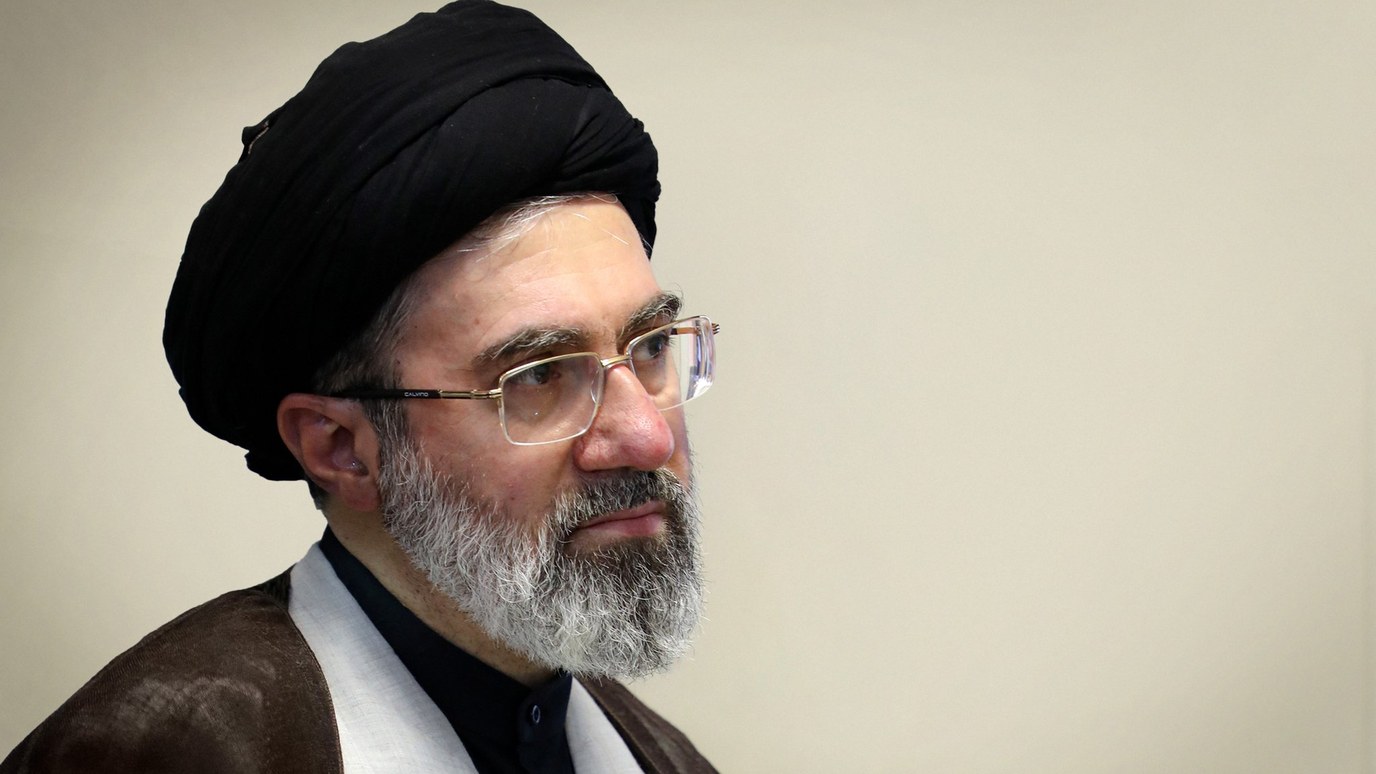
The warning sharpens signals Iran's military chiefs already sent. Armed forces chief Major General Ali Abdollahi wrote that once hostile action was confirmed, Iran's forces would decide when and how to respond without waiting to be hit. Supreme Leader Mojtaba Khamenei has ordered retaliation with no geographic limits if the United States attacks again.
The United States and Israel have drawn up plans for renewed strikes against Iran that would likely target energy infrastructure and other economic assets. President Donald Trump has told advisers he may hold off further strikes unless Iran or the Iranian-backed Houthis attack American interests, and no new large-scale campaign has been announced.
The buildup keeps growing. The aircraft carrier USS Theodore Roosevelt entered United States Central Command's area on Sunday, joining the USS George Washington and the USS George H.W. Bush. United States intelligence estimates Iran still holds between 1,500 and 2,500 missiles. The war began on February 28, when American and Israeli strikes on Iran killed Ayatollah Ali Khamenei.
Iran's Revolutionary Guards said on Monday that their navy had seized control of an American MQM-170 drone south of Qeshm Island in the Strait of Hormuz and forced it to land intact, after what they described as an electronic warfare operation. The Guards said it was the fourth drone of that type they had captured intact. The United States has not commented on the claim, and it previously denied an earlier Iranian report of a drone capture.
Key points
- Iran's deputy foreign minister says Tehran will not wait for the United States to attack first, and is preparing for diplomacy, a blockade or renewed war; he says a plan to end the war and reopen the Strait of Hormuz within two days is on the table.
- The Revolutionary Guards will keep nuclear inspectors out until the war ends, and say they are building missiles with new ranges; they also claim to have captured a US drone intact near the Strait of Hormuz, which Washington has not commented on.
- The US and Israel have drawn up plans for renewed strikes on Iran's economic infrastructure, though Trump has signalled he may hold off unless American interests are attacked.
- A third US carrier strike group has entered the region, and US intelligence estimates Iran still holds 1,500 to 2,500 missiles.
Photo: khamenei.ir, CC BY 4.0, via Wikimedia Commons