Arsenic Reaches Thailand's Village Wells as Mining Pollution Spreads From Myanmar
Toxic arsenic from rivers polluted by mining across the border in Myanmar has now seeped into underground water in northern Thailand, forcing the government into an emergency scramble for clean drinking water.
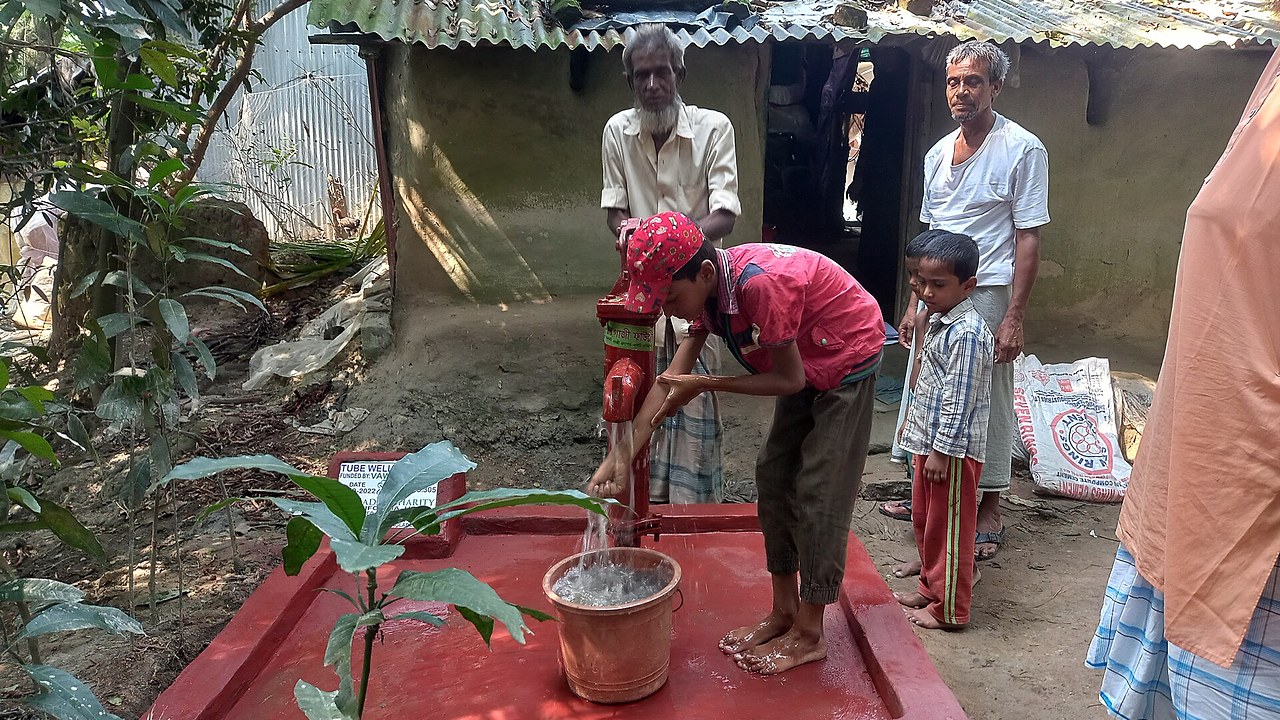
Arsenic has been found in village wells across northern Thailand, in the clearest sign yet that toxic pollution from rivers flowing out of Myanmar is reaching the water people drink every day. Thailand's Department of Groundwater Resources said laboratory tests on 133 samples collected during 2026 found arsenic above the national safety limit of 0.01 milligrams per litre at nine sites in Chiang Mai and Chiang Rai provinces, near the border rivers.
The ministry responsible for natural resources and the environment announced an emergency clean-water recovery plan on 17 November, promising 11 community filtration plants using reverse osmosis, new real-time monitoring wells and a large farm water system across the affected border districts. The plan follows months of warnings about the Kok, Sai and Ruak rivers, where testing has linked heavy-metal contamination to unregulated rare-earth and gold mining in Myanmar's Shan State. Thai officials suspect the mines are the source, though the precise origin of the latest spike has not been confirmed.
The pollution has already disrupted daily life along the border. On 5 November, tests on the Sai River found arsenic at 0.25 milligrams per litre, twenty-five times the permitted level, and water so thick with sediment that local filters could not cope, forcing the water authority in Mae Sai to cut tap-water production, affecting 14 villages. Families have switched to bottled water, fishermen say the fish they catch are covered in skin blisters, and researchers at Mae Fah Luang University found raised arsenic levels in urine and nail samples from people living in the Kok basin, including schoolchildren.
The Agriculture Ministry will now map farmland across Chiang Rai into safe, watch and high-risk zones, after early soil tests found arsenic above national limits in about one in five sampled plots, with more than 16,000 hectares of irrigated rice land under threat. Opposition lawmakers urged the prime minister on Wednesday to take personal charge of a unified response and to use emergency powers to declare the affected areas a disaster zone. Thailand and Myanmar are due to hold a bilateral working-group meeting on water quality on 25 and 26 November, after Bangkok pressed the issue during a visit to Naypyidaw last week.
Key points
- Arsenic above the safety limit was found in nine of 133 village wells tested in Chiang Mai and Chiang Rai, showing river pollution has reached underground water.
- An emergency plan launched on 17 November will install 11 community filtration plants and new monitoring wells across the affected border districts.
- Testing links the contamination to unregulated rare-earth and gold mining in Myanmar's Shan State, though the exact source of the latest spike is unconfirmed.
- About one in five sampled farm plots in Chiang Rai exceeded arsenic limits, and Thailand and Myanmar will hold a water-quality meeting on 25 and 26 November.
Photo: Needy Foundation, CC BY-SA 4.0, via Wikimedia Commons