Risk of Fresh US Strikes on Iran Grows as Tehran Warns It Can Hit American Bases in Europe
Western officials say the chances of another round of large-scale American strikes on Iran have grown in recent days, as both sides step up attacks across the Gulf and Tehran warns it can hit United States military bases in Europe.
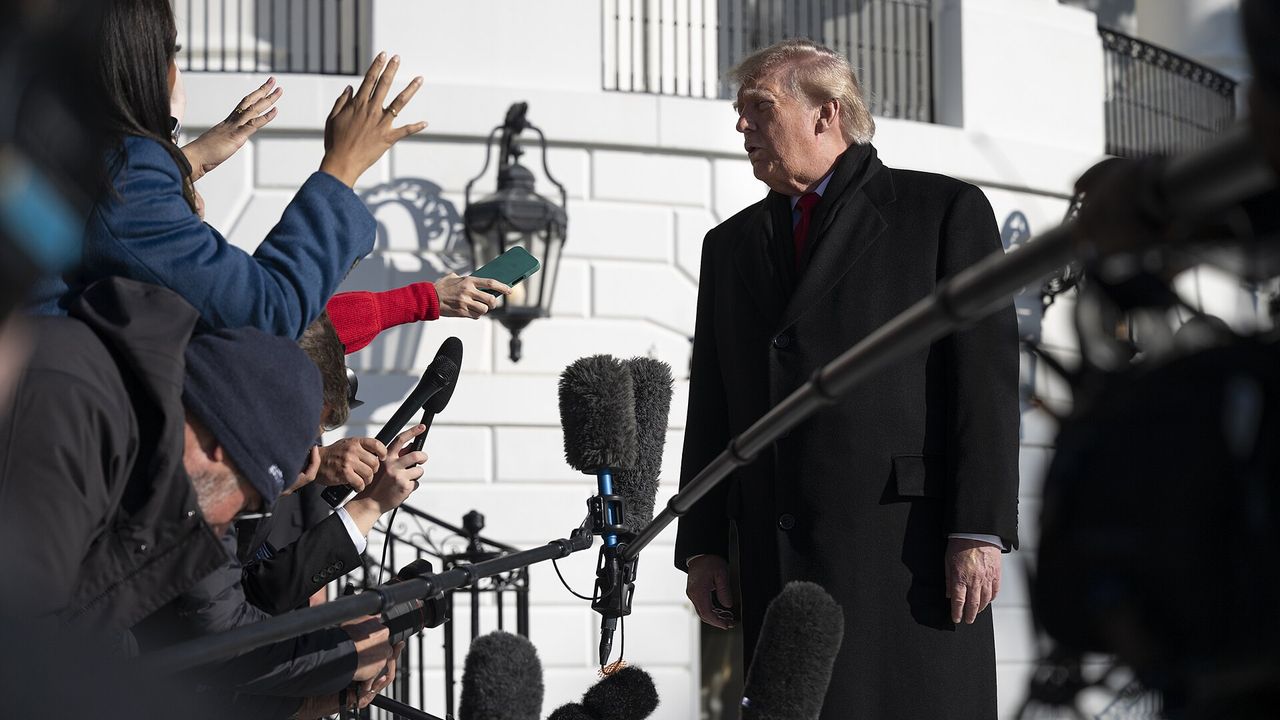
Officials told reporters the likelihood of a new round of mass strikes has risen as the fighting escalates, though President Donald Trump has not yet decided whether to order attacks. The president has said he will decide after the start of the new year. Peace talks remain stalled, with neither side willing to give ground, and analysts say both sides are gearing up for more fighting.
Iran has struck American military facilities in Bahrain and Kuwait several times in the past week and stepped up attacks on ships passing through the Strait of Hormuz. American jets hit a missile launch site on Qeshm Island on Tuesday. The Houthis in Yemen, backed by Iran, have launched daily attacks on Saudi Arabia, and one barrage damaged the kingdom’s sovereign wealth fund tower on Thursday. The Pentagon and the State Department have withdrawn some staff, and American B-1 and B-2 bombers have been on 96-hour notice for weeks. A tanker was struck in its engine room off Khasab, the fourth attack on a tanker in the strait in 96 hours.
Tehran raised the stakes further on Thursday, when a senior Revolutionary Guards spokesman said Iran’s missiles could reach American bases in Europe and that the country was no longer bound by a self-imposed 2,000 kilometre range limit. The spokesman said Iran had already shown a 4,500 kilometre reach, putting the joint base on Diego Garcia within range. Iran’s army chief warned any new attack would draw a stronger response with no geographical limits. Iran has also rejected claims that it is building a dirty bomb, calling them fabricated. Tehran wants the blockade lifted, sanctions eased and frozen assets released before it will talk.
Israel is pressing Washington to act, with the prime minister seeking a joint four-to-seven-day air campaign and his intelligence chief visiting Washington last week to make the case. American intelligence is said to show Iran rebuilding its missile and drone arsenals and advancing chemical and biological weapons programmes. The Senate voted 51-48 against a measure that would have forced the president to seek Congress’s approval for further military action. The Pentagon puts the cost of the war for the United States military at $48.3 billion since late February. Gulf states, Pakistan and Turkiye have stepped up diplomacy to prevent a return to all-out war, while Brent crude stands at $92.60 a barrel, up over 50 percent this year.
Key points
- Western officials say the chances of another round of large-scale US strikes on Iran have grown as skirmishes escalate, though Trump has not decided.
- Iran says its missiles can reach US bases in Europe and it is no longer bound by a 2,000 kilometre range limit.
- Israel is pressing for a joint four-to-seven-day air campaign, and American bombers have been on 96-hour notice for weeks.
- Gulf states, Pakistan and Turkiye are pushing diplomacy to stop a return to all-out war, while Brent crude stands at $92.60 a barrel.