Turkiye and Qatar Sign Mutual Defence Pact, Pledging a United Front Against Attack
A new mutual defence agreement between Turkiye and Qatar commits the two countries to stand together if either one is attacked from outside, deepening a partnership both leaders presented as a guard against another war in the Gulf.
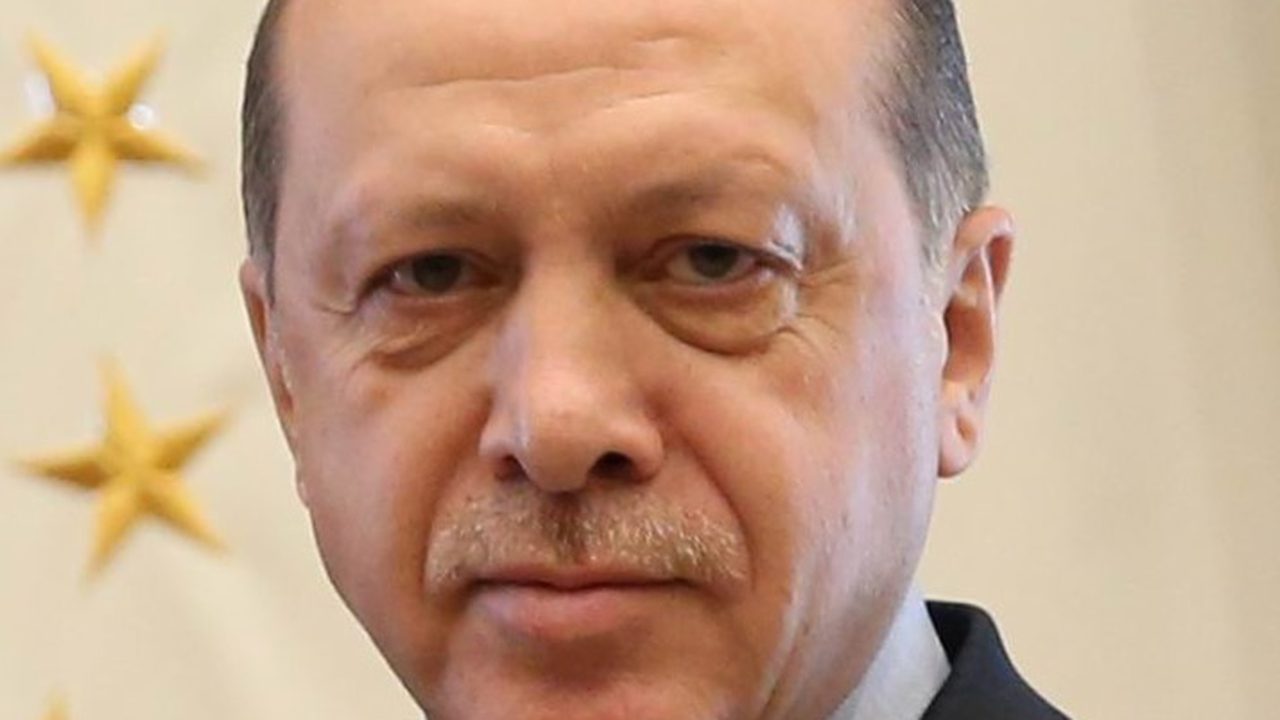
The pact was signed in Istanbul on Friday at the 12th session of the two countries' Supreme Strategic Committee, chaired by Turkiye's President Recep Tayyip Erdogan and the Emir of Qatar, Sheikh Tamim bin Hamad Al Thani. Under the deal, Ankara and Doha will confer on security threats and defence questions and take a shared stance if either country faces an armed attack from outside.
The two sides also agreed to hold more combined military drills, deepen arms-industry ties and exchange officers for training. A joint statement issued after the talks said the agreement was meant to bolster their shared defences and make the region more secure, and to protect each country's independence and borders.
What the agreement does not spell out is when exactly it would be triggered, or how the two countries would actually respond together. Neither side explained how the promises would work in practice, and officials gave no details on implementation.
Erdogan said the two countries would keep working together to keep war from flaring up again in the Gulf and to open a path to talks and calm, calling the deal a new chapter in the two countries' close ties. The emir called it a strategic partnership. The signing came while the region is still absorbing the shock of the US-Israel war on Iran, with shipping through the Strait of Hormuz disrupted. It follows an August defence pact between Turkiye, Pakistan and Saudi Arabia under which an attack on one counts as an attack on all, and a defence cooperation understanding signed in Doha in October by Qatar, Indonesia, Pakistan and Turkiye.
Key points
- Turkiye and Qatar signed a mutual defence agreement in Istanbul on Friday, agreeing to stand together if either country is attacked from outside.
- The two sides will confer on security threats and defence questions, and hold more combined military drills, deepen arms-industry ties and exchange officers for training.
- The joint statement did not say what would trigger the pact or how the two countries would respond together; neither side explained how it would work in practice.
- The deal lands while the US-Israel war on Iran is still reverberating across the region, and follows an August defence pact between Turkiye, Pakistan and Saudi Arabia.