UK to Follow EU Food Rules Without a Vote in Draft Deal to Scrap Border Checks
Britain is set to follow European food rules it will have no vote over, while keeping a voice in the committees that write them, under a draft deal to remove post-Brexit checks on food and farming exports ahead of a summit in Brussels on 20 November.
The 200-page draft agreement on sanitary and phytosanitary rules, the standards governing food, animals and plants, has been circulated to EU governments for discussion by their ambassadors, and is the most significant part of the reset agreed so far. Under it, Britain would apply existing EU requirements and update its own rules as European law changes, a process known as dynamic alignment. In return, exporters would be freed from the certificates, inspections and fees imposed since Britain left the EU single market.
The practical gains are concrete. The £200 export health certificates and £25 phytosanitary certificates would go, along with inspector fees, port charges and routine physical checks. Exports of fresh sausages, burgers, shellfish from domestic waters and seed potatoes, effectively blocked since Brexit, would resume, and the “not for EU” labels introduced under the Windsor framework would be scrapped. The government estimates the changes would eventually be worth £5.1 billion a year to the economy.
The price is influence. Britain would sit in the committees that shape the rules, without a vote, while the final say stays with EU member states, and disputes would ultimately fall to the EU court. London would also pay an annual financial contribution, the size of which is still being negotiated, and a new European Partnerships Bill would give ministers the power to apply new EU rules at home. The government says it is making a sovereign choice in the national interest and that there will be exceptions and carve-outs. Implementation is aimed at mid-2027, though some reports point to early 2028.
Reaction has split along familiar lines. Supermarkets and farming groups back the deal as an end to costly red tape that forced some firms to stop trading with the EU altogether. Critics, including the Conservatives, call it rule-taking without representation and say Britain would follow rules it cannot veto. The prime minister wants the summit to open a wider conversation about Britain’s long-term relationship with the bloc, with draft deals on carbon trading and youth mobility also in circulation.
Key points
- Britain would keep a voice in the committees that write EU food rules, but no vote, under a draft deal to scrap post-Brexit checks on food and farm exports.
- The 200-page draft would end £200 export health certificates and routine inspections, and let sausage, burger, shellfish and seed potato exports resume.
- The government puts the eventual benefit at £5.1 billion a year; London would pay an annual contribution whose size is still being negotiated.
- Supermarkets and farming groups back the deal; critics call it rule-taking without representation ahead of the 20 November summit.
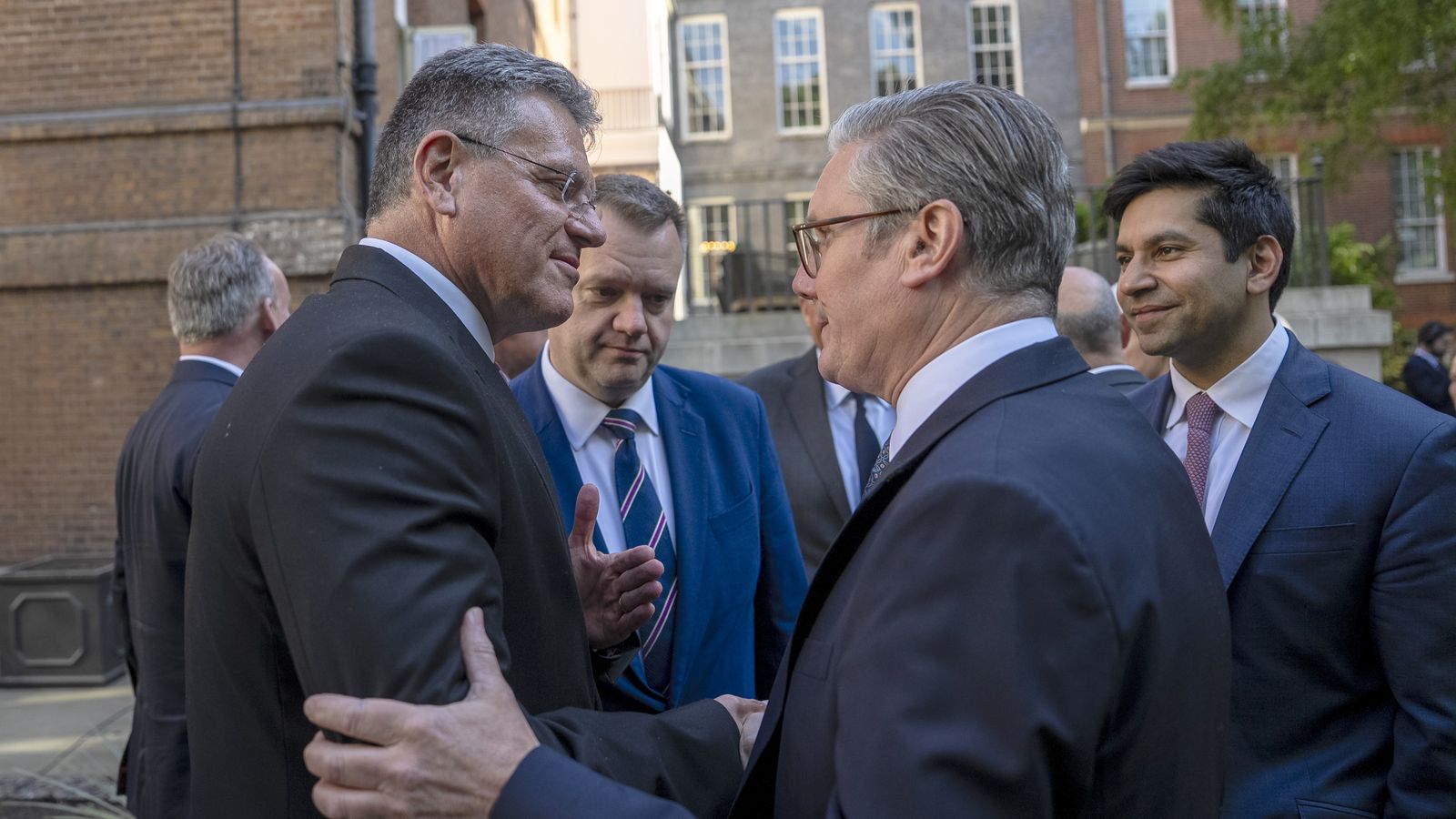
Photo: European Union, CC BY 4.0, via Wikimedia Commons