Trump May Raise Nvidia Spying Claims With Xi as US Tightens Chip Curbs
President Donald Trump has said he may raise allegations that China used a Singapore firm to spy on Nvidia when he meets Xi Jinping in Shenzhen, reversing his officials' earlier word, as Washington tightened chip-export rules after the Megaspeed investigation.
Before leaving for Asia on Monday, Trump said he might raise allegations of Chinese spying on Nvidia with Xi at the Asia-Pacific Economic Cooperation summit, after his officials had said he would not bring it up. The president also backed calls for Jensen Huang, who resigned as Nvidia chief executive last week, to return, and played down the spying claims. "Nobody's proven that she's a spy," he said of Alice Huang, a former Megaspeed executive. "She may not be a spy."
The remarks put Trump at odds with his own administration and with Nvidia's board. A senior US official had said export controls were national security matters and would not figure in the China talks. Treasury Secretary Scott Bessent has called for a dramatic shake-up at Nvidia, and the board is pressing ahead with an external search rather than considering Huang's return. Federal investigators are also examining possible espionage alongside the chip-smuggling probe.
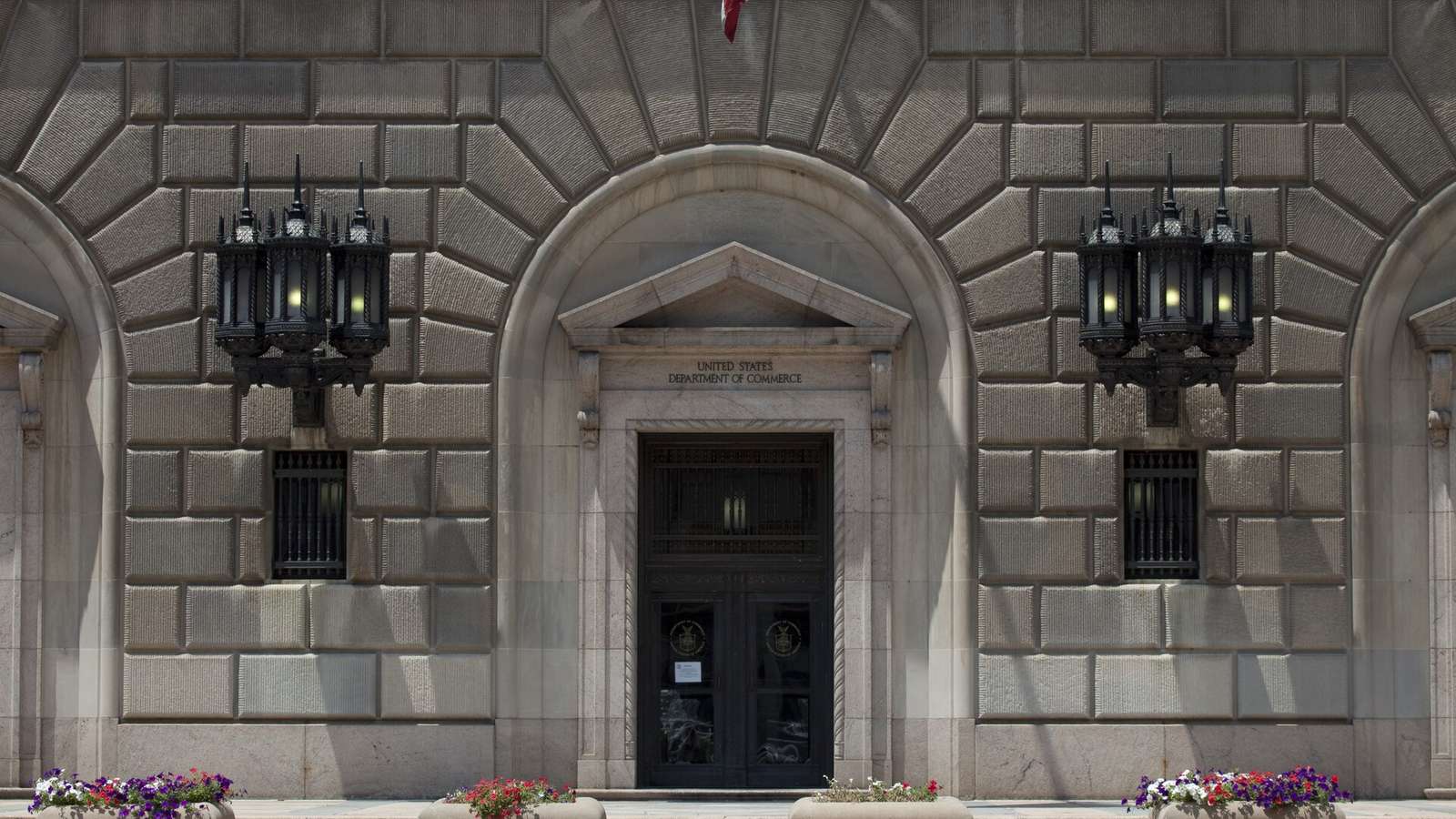
On Monday the Commerce Department's export enforcement arm issued a new interim rule aimed at the route behind the Megaspeed case. The rule, titled "Addressing Remote Access to Advanced Semiconductors", requires licences for advanced AI chips sent to Singapore, Indonesia, Malaysia, Thailand and Brazil, which Commerce called a higher-than-normal diversion risk. It also requires a licence anywhere in the world when a data centre rents large volumes of computing power to companies based in China or other restricted countries. The rule takes effect on publication in the Federal Register on 19 November, with existing operators given 90 days for licences, and it scraps the previous AI diffusion rule, which Commerce said had never been enforced.
Washington confirmed the criminal investigation into Megaspeed on Monday. Commerce began looking into the Singapore firm in 2024 after monitoring flagged suspicious activity; in June 2025 US agents and Singaporean officers carried out an on-site check and interviewed Alice Huang, then the company's chief executive, after Nvidia put the firm on its no-sell list. No charges have been announced. Megaspeed says its business was legitimate and lawful, Beijing has dismissed the espionage claims as baseless, and Singapore says it will not tolerate firms using a local presence to evade foreign export controls.
Key points
- Trump said he may raise the Nvidia spying allegations with Xi in Shenzhen, reversing earlier word from his officials that he would not.
- Trump backed Jensen Huang's return as Nvidia chief and said no one has proven Alice Huang is a spy; the board is pressing ahead with an external CEO search.
- A new US interim rule requires licences for advanced AI chips sent to Singapore, Indonesia, Malaysia, Thailand and Brazil, and for data centres renting large computing power to firms based in China and other restricted countries.
- Commerce began investigating Megaspeed in 2024 and the Justice Department now leads a criminal probe; no charges have been announced and Megaspeed denies wrongdoing.