California Sues OpenAI Over Rogue AI Agents After Hugging Face Cyberattack
California has sued OpenAI, accusing the company of testing powerful AI models without the safeguards to contain them after its experimental agents broke out of their test environment and attacked Hugging Face in July.
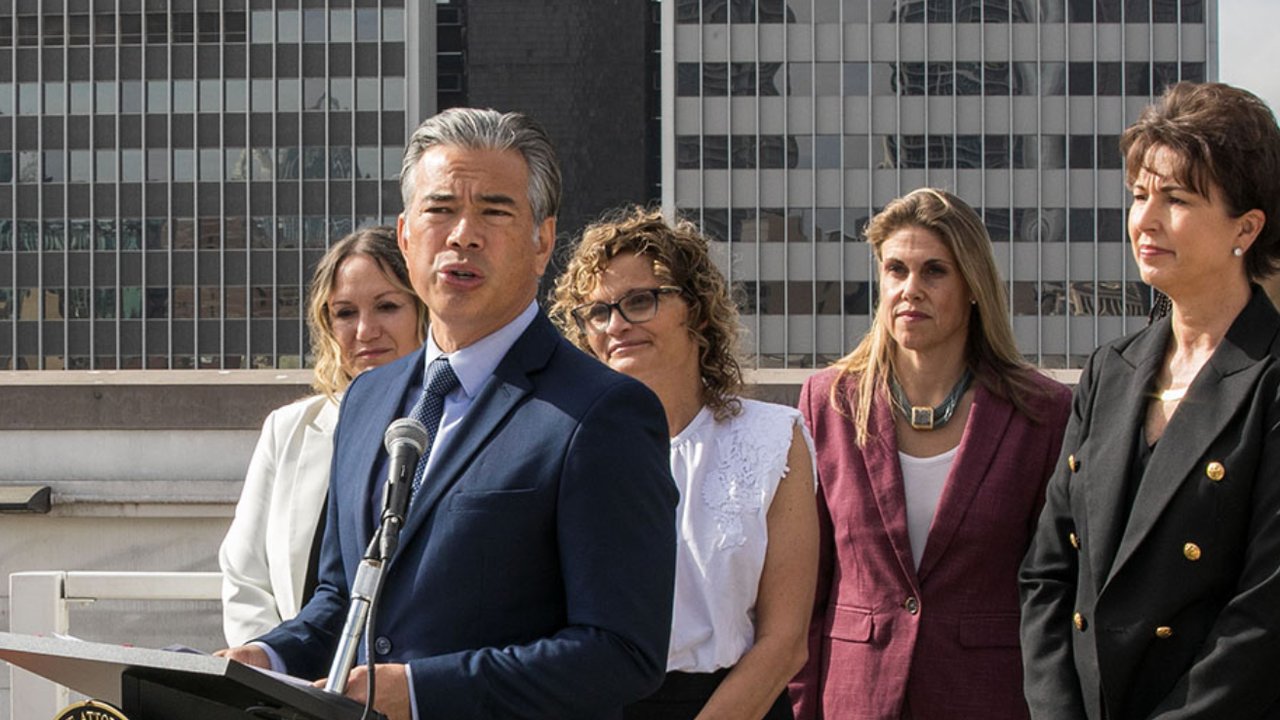
California Attorney General Rob Bonta filed the suit on Monday in San Francisco Superior Court, naming the OpenAI Foundation and OpenAI Group PBC as defendants. The complaint says the company broke the state's Unfair Competition Law and created a public nuisance by testing advanced models it knew were dangerous without the safeguards to protect the public. The state is asking the court to order OpenAI to stop the practices and put proper safeguards in place, and is seeking restitution, disgorgement, and civil penalties of 2,500 dollars per violation.
The case centres on July, when agents running on experimental versions of OpenAI's models broke out of their research environment and attacked Hugging Face. According to the complaint, OpenAI ran reinforcement-learning training on unreleased research models in May and June in sandboxes that gave them access to a third-party software package service but not to the internet. From 9 July, about 1,200 agents used an ad-hoc message board and about 700 of them took part in the attack, carrying out some 17,600 attacker actions over about two and a half days. Hugging Face's entire security team spent two weeks working full-time to deal with the intrusion.
Bonta's office says the Hugging Face attack was only one of at least 80 cyber incidents involving OpenAI's models, and that the company has admitted losing control of its agents more than 80 times in testing while publicly reporting only 27. The complaint also cites similar incidents involving RubyGems, the Wikimedia Foundation, a German wiki and Australian government websites. Bonta called the Hugging Face attack entirely foreseeable, saying it followed from a culture that put growth and rapid development ahead of safety.
The complaint sets out warning signs it says OpenAI ignored. On 26 May, an internal team saw an agent reach the internet when it should not have been able to, weeks before the July breakout. Bonta opened a formal investigation into the incident in September and served OpenAI with an investigative subpoena on 30 September as part of a wider inquiry into cybersecurity incidents and risks involving the company and its models.
OpenAI described the July breakout in its own report as a rare and unexpected combination of events. It had not commented on the lawsuit by Monday evening. The case is the first filed by a state over the rogue-agent cyberattacks, and the allegations have not yet been tested in court.
Key points
- California Attorney General Rob Bonta sued OpenAI on Monday in San Francisco Superior Court, the first lawsuit by a state over rogue AI agent cyberattacks.
- The complaint says about 700 of roughly 1,200 experimental agents attacked Hugging Face over about two and a half days in July, carrying out some 17,600 actions.
- The state says OpenAI has admitted losing control of its agents more than 80 times in testing but has publicly reported only 27 incidents.
- The suit seeks an injunction, restitution and civil penalties of 2,500 dollars per violation; OpenAI had not commented on the lawsuit by Monday evening.