Europe Bets on Light-Based Chips to Catch the Next Wave in Semiconductors
Europe is pouring hundreds of millions of euros into chips that compute with light instead of electricity, betting that the next generation of semiconductors will be photonic and that the continent can lead it rather than chase a silicon race it has already lost.
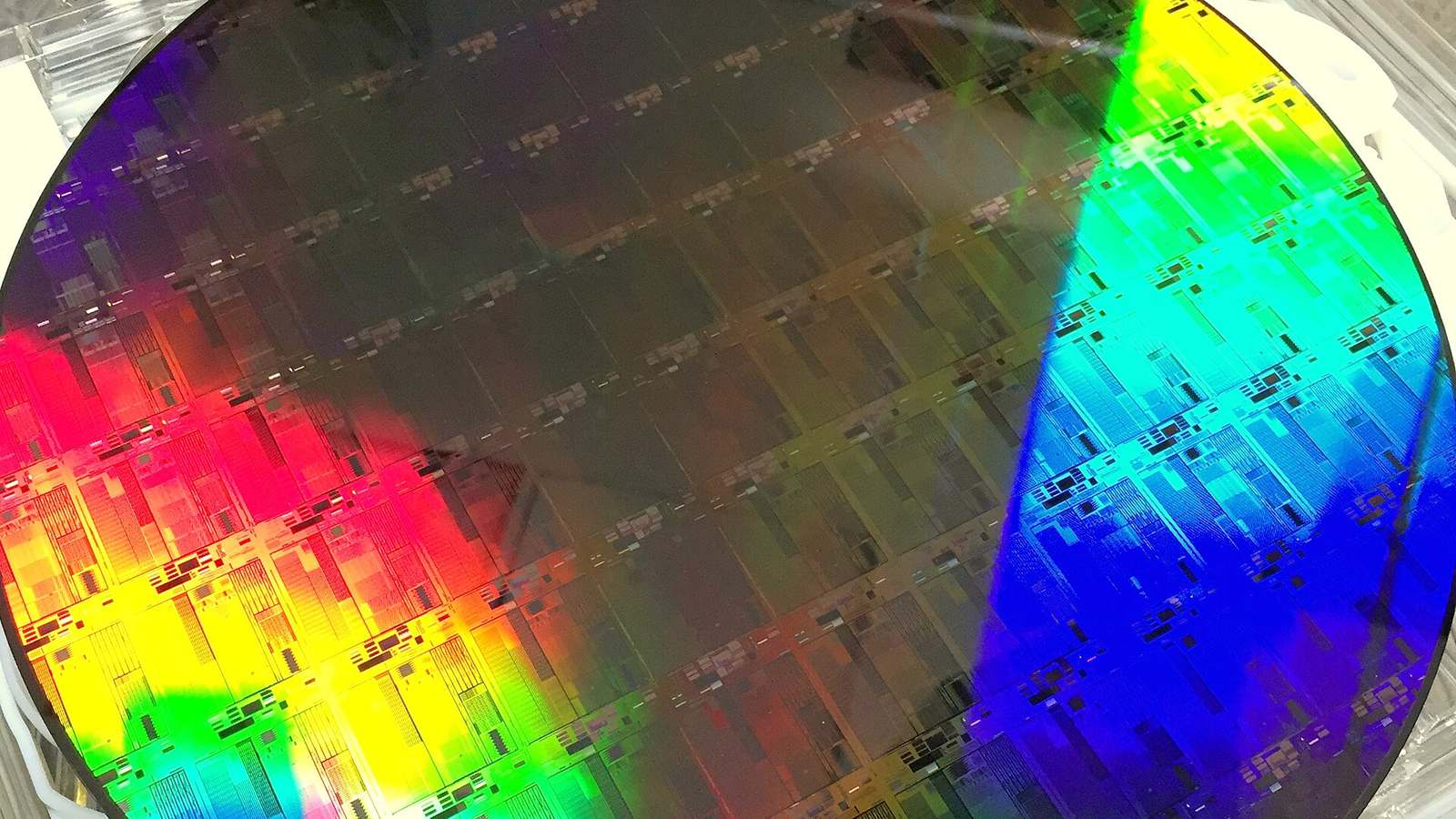
Photonic chips carry information as pulses of light rather than streams of electrons, and they promise faster speeds at far lower energy use. That makes them prized for the data centres that power artificial intelligence, for quantum computers and for sensors that can spot disease early or help vehicles see the road. Europe's wager is to build the factories, pilot lines and design tools now, while the technology is still young enough to shape.
The centrepiece is a pilot line known as PIXEurope, a project worth about 400 million euros that brings together 20 research institutions across 11 countries. Coordinated from Barcelona and co-funded through the European Union's Chips Joint Undertaking, it will give companies shared access to design, fabrication, packaging and testing. Public money of 380 million euros has been committed, including 133 million euros in the Netherlands for production lines in Eindhoven and Enschede. Existing facilities open to firms from this month, new plants follow from 2027, and full wafer production is expected by 2028.
Construction has also begun in Eindhoven on a 150 million euro factory for indium phosphide photonic chips, the first industrial-scale plant of its kind, opened by the European Commission's tech chief Henna Virkkunen. In Germany, Stuttgart firm Q.ANT and cloud provider IONOS launched a pilot on November 9 that puts photonic processors into commercial servers for the first time, letting software developers test their own AI models on light-based hardware. Laboratory tests showed the new processor handling matrix calculations more than 50 times faster than its predecessor. In Britain, Cambridge startup Wave Photonics has raised 4.5 million pounds to turn light-chip designs into commercial products.
The push is driven by how far Europe has fallen behind in conventional chips. The continent makes under a tenth of the world's semiconductors, and its goal of producing a fifth of global output by 2030 is judged unlikely to be met, with auditors forecasting a share below 12 percent. A follow-up Chips Act proposed in June names photonics as a strategic technology, and a 525 million euro design platform launched on November 4 gives startups access to design tools, intellectual property and manufacturing capacity. Analysts expect the integrated photonics market to grow more than threefold within five years to about 65 billion euros by 2031. The open question is whether Europe's research strength becomes factory output at scale, and whether customers buy.
Key points
- Europe is backing photonic chips, which move data as light, as its route into the next generation of semiconductors.
- A roughly 400 million euro pilot line spans 20 institutions in 11 countries, with 133 million euros of production investment in the Netherlands.
- A 150 million euro photonic chip factory is under construction in Eindhoven, and a Stuttgart pilot has put light-based processors into commercial servers.
- Europe makes under a tenth of the world's chips, and its target of a fifth of global output by 2030 is forecast to be missed.
Photo: Ehsanshahoseini, CC BY-SA 4.0, via Wikimedia Commons