Iran Says Two Supertankers Caught Fire and Were Abandoned After Hormuz Mine Strikes
Iran's Revolutionary Guard said two supertankers carrying more than four million barrels of crude oil caught fire after striking naval mines in the Strait of Hormuz and were later abandoned, as the International Energy Agency called the shipping disruption the largest energy supply shock in history.
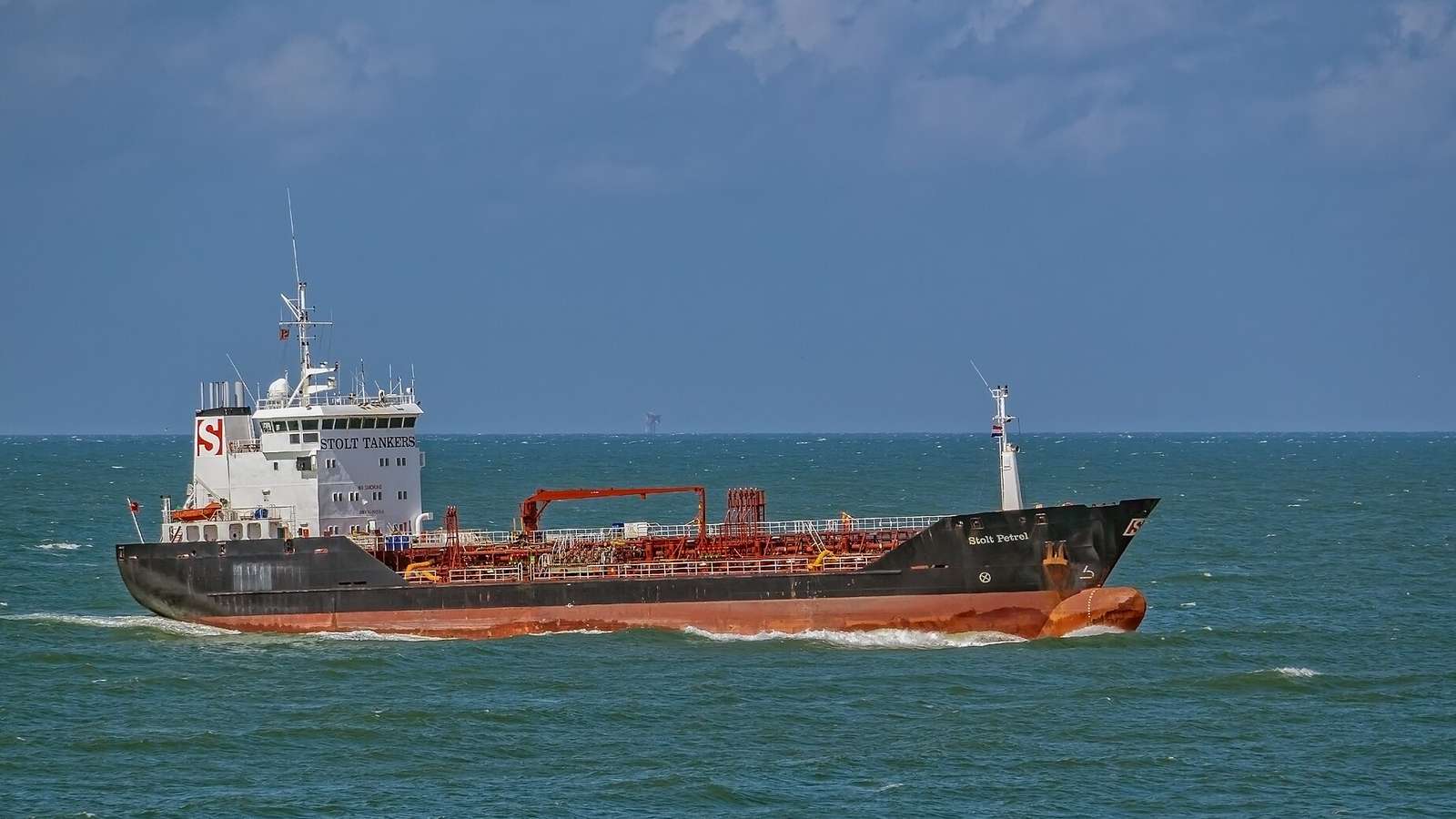
Iran's Revolutionary Guard navy said two supertankers struck naval mines in the southern part of the Strait of Hormuz on Thursday and caught fire, and that both vessels were abandoned after exploding. The force said the two ships were carrying over four million barrels of crude between them, and it alleged they had been escorted by American fighter jets while using a route it described as unauthorised. It warned that vessels using such routes, or cooperating with the American military, would be dealt with decisively. Neither vessel was named, and the claims were not independently verified.
Iran's army has also said three tankers had struck mines in waters east of the strait after turning off their navigation systems and entering an area it had declared off limits, despite warnings from its naval forces. Together with the Guard's account, Iranian statements now put five tankers at the centre of mine claims.
The claims follow a week of attacks on shipping in and around the strait. The Liberia-flagged crude tanker Navig8 Messi, operated by ADNOC, the UAE state oil company, was hit on Tuesday evening about 13 nautical miles north of Khasab, on Oman's Musandam coast; ADNOC said one crew member was missing, the rest had been evacuated, and 11 people were hurt. A third tanker was struck in its engine room a day later off Khasab, and its crew were reported safe. The Panama-flagged gas tanker Tara Gas was hit twice earlier in the week and abandoned; Oman rescued 24 of its 25 crew, and one Indian seafarer is still missing. Monitors count 18 confirmed attacks on commercial vessels in and around the strait this month alone.
Iran also fired on an American airbase in Kuwait and launched attacks toward Bahrain, in what appeared to be retaliation for American strikes the day before. A US military official said American forces had carried out a defensive strike using precision weapons against a missile launch site on Qeshm Island. Bahrain said it had come under attack for a second day in a row. In Yemen, the Saudi-led coalition said it hit 60 targets across Houthi-held territory, including the capital Sanaa, and the Houthis said the strikes killed 17 people.
The International Energy Agency said on Thursday that the disruption to oil and gas flows through the strait was the largest energy supply shock in history. In its World Energy Outlook 2026, the agency put cumulative losses at 2.8 billion barrels of oil and 60 billion cubic metres of gas from the Gulf, and said that if shipping through the strait stayed risky, oil needing to pass through it could fall from about 20 million barrels a day before the crisis to 8.5 million a day in 2030, and below 2 million a day by 2035.
Key points
- Iran's Revolutionary Guard navy said two supertankers hit mines in the southern Strait of Hormuz, caught fire and were abandoned; the vessels were not named and the claims were not independently verified
- Iran's army said three tankers struck mines in waters east of the strait after turning off navigation systems and entering restricted waters, bringing the tankers at the centre of Iranian mine claims to five
- The Navig8 Messi was hit on Tuesday with one crew member missing and 11 injured; the Tara Gas was hit twice and abandoned, with 24 of 25 crew rescued and one Indian seafarer still missing
- The International Energy Agency called the Hormuz disruption the largest energy supply shock in history, warning oil flows through the strait could fall to 8.5 million barrels a day by 2030 if shipping risks persist
Photo: Frans Berkelaar, CC BY 2.0, via Wikimedia Commons