Meta Rethinks 2030 Net-Zero Goal as AI Data Centres Push Emissions Up 45%
Meta is reconsidering its pledge to reach net-zero emissions by 2030, the company said in its annual sustainability report on Thursday, blaming the surge in energy demand from its artificial intelligence build-out for pushing its carbon footprint sharply higher.
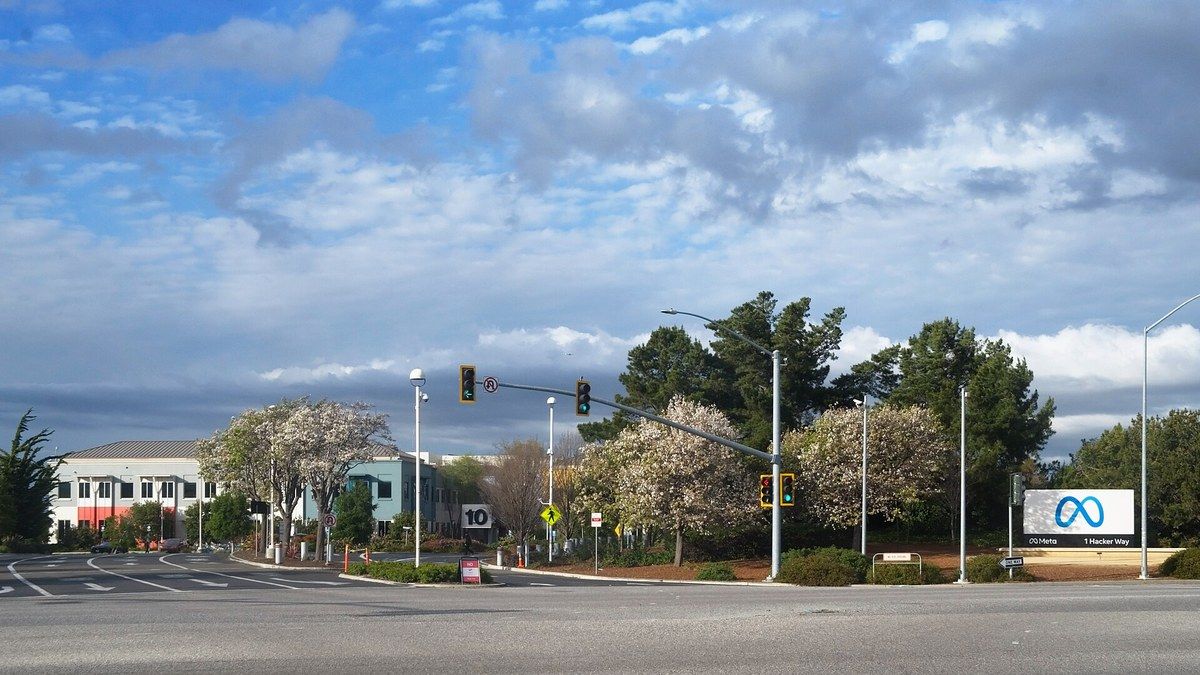
The report says the company is re-evaluating the timeline it set in 2020, when it promised to cut net emissions across its entire value chain, from its offices and data centres to the suppliers and products behind them, to zero within a decade. Two senior executives wrote that delivering the company's AI plans requires building the infrastructure that powers it, and that the assumptions behind the original pledge no longer hold.
The numbers show why. Meta's net carbon-equivalent emissions rose 45 percent in 2025 to 11.8 million tonnes, while its electricity use climbed 35 percent. The rise was steeper than at the other large technology companies, which reported increases of 25 percent at Microsoft, 18 percent at Google and 16 percent at Amazon over the same period.
The wider picture is similar across the industry. A study published this week found that the 403 most powerful data centres in the United States account for about 2 percent of the country's electricity use, with a carbon footprint comparable to that of Denmark. The International Energy Agency estimates that data centres worldwide used about 415 terawatt hours of electricity in 2024, roughly 1.5 percent of global supply, and that demand could nearly double by 2030.
Meta says it has contracted more than 30 gigawatts of clean energy, from nuclear, solar and geothermal sources, but less than half of that capacity is generating power so far. The report also signals the company may turn to natural gas plants where utilities cannot deliver electricity quickly enough. A utility in Louisiana is seeking seven new gas-fired units totalling more than 5,200 megawatts to serve Meta's data centres, and regulators in Ohio have approved a 200-megawatt gas plant built for the company.
The company has not said what changes to the 2030 goal it is considering, or when it will decide. Its direct water use fell 4 percent, but consumption in highly water-stressed regions rose 24 percent, a reminder that the AI build-out is straining resources beyond electricity alone.
Key points
- Meta is re-evaluating its 2030 net-zero deadline, saying the AI infrastructure build-out has made the original timeline harder to meet.
- Its net carbon-equivalent emissions rose 45 percent in 2025 to 11.8 million tonnes as electricity use climbed 35 percent.
- The 403 most powerful data centres in the US use about 2 percent of the country's electricity, with a carbon footprint comparable to Denmark's.
- Meta has contracted more than 30 gigawatts of clean energy, but less than half is generating power, and it may lean on natural gas plants in the meantime.