UN Talks Agree to Work on Rules for AI 'Killer Robots' by 2028
Countries at a United Nations conference in Geneva have agreed to spend the next two years working on rules for lethal autonomous weapons, systems that can pick and strike targets with little or no human control.
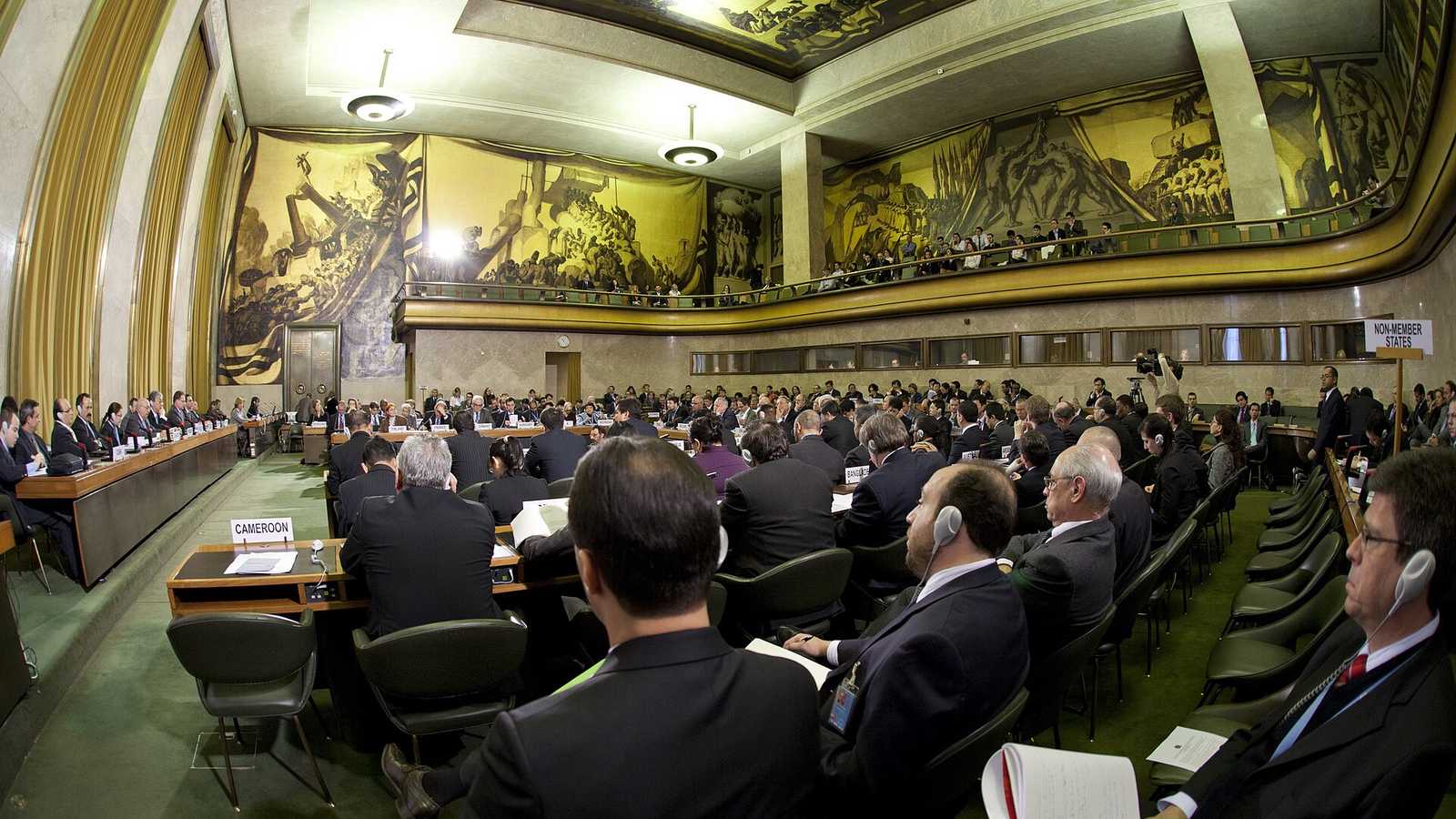
The 128 states party to the Convention on Certain Conventional Weapons had gathered in the Swiss city on Monday, and the session ended early on Saturday after talks ran through the night and past 4 a.m. The agreed text commits them to work on an instrument covering the weapons, often called 'killer robots', by 2028.
Around 100 countries had pushed for binding rules to be adopted quickly. But the biggest arms-producing nations, including the United States, Russia and Israel, opposed that course, and the compromise leaves undecided whether any future measures would carry legal force.
The meeting's Swiss chair, Julien Thoeni, described the deal as a major step for humanitarian disarmament after more than a decade of discussion. Campaigners saw it differently: the Stop Killer Robots coalition, which brings together 300 organisations, called the mandate watered down and said it offered no clear path to binding rules. Its executive director, Nicole van Rooijen, said the delay left civilians and humanity exposed.
Alarm has grown as the weapons see use in Ukraine, Sudan and the Middle East. The UN chief, the pope and the Red Cross have all urged binding rules. The talks had already run for more than ten years without producing binding rules, and the new mandate gives negotiators until 2028 to agree on the shape of an instrument. Because the convention needs every one of its 128 parties to agree, some observers and former officers argue a separate process outside the UN framework may be needed. The next two years will decide whether the instrument becomes law or stays a statement of intent.
Key points
- The 128 states at the UN weapons convention in Geneva agreed to work on rules for lethal autonomous weapons by 2028.
- Around 100 countries wanted swift binding rules, but the United States, Russia and Israel opposed them, leaving the outcome watered down.
- The agreed text leaves open whether any future rules would be legally binding.
- Campaigners called the mandate watered down, while the meeting's chair described it as a major step after a decade of talks.
Photo: Eric Bridiers, CC BY 2.0, via Wikimedia Commons