US Tightens Rules on Remote Access to Advanced AI Chips
The United States has issued a new rule closing a loophole that allowed advanced American AI chips to be reached remotely through data centres abroad, a move that follows the scandal that forced the chief executive of Nvidia to resign.
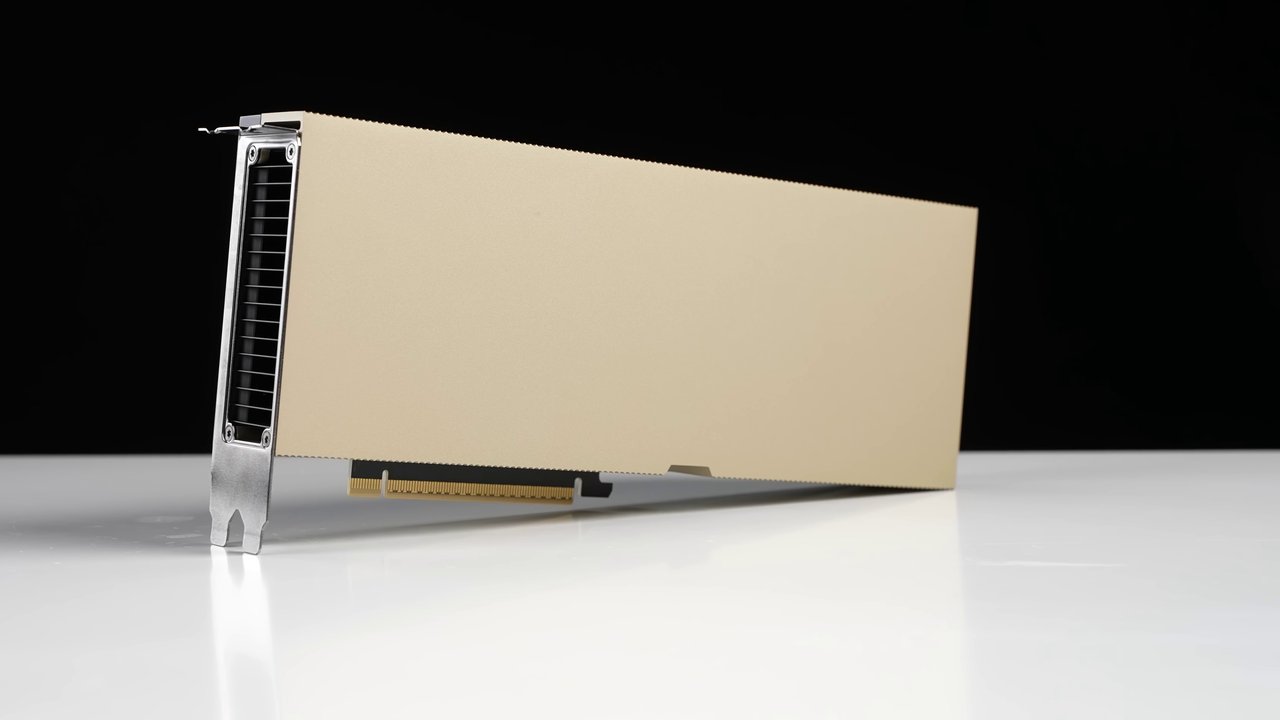
The Commerce Department's Bureau of Industry and Security issued the interim final rule on Monday, titled Addressing Remote Access to Advanced Semiconductors. It brings the protections governing remote access to advanced chips in line with the controls on shipping the chips themselves, so the existing restrictions cannot be got around through remote computing arrangements abroad.
The new restrictions apply to overseas data centres that remotely supply significant volumes of computing power to companies headquartered in Country Group D:5 or Macau, to stop those companies using American advanced chips to train advanced AI models. Data centres, foreign foundries and chip exporters must now carry out robust due diligence on their customers. The licence requirement will not apply to commercial recommender systems, such as those used by online retailers or social media companies, which the rule says pose less of a threat.
The rule sets a threshold of 12 million aggregate TPP, the government's measure of processing power, counting linked facilities together, roughly the power of about 750 of Nvidia's H100 chips. It also adds a licence requirement for shipments of advanced chips to Indonesia, Malaysia, Singapore, Thailand and Brazil, which the rule says carry a higher-than-normal risk of diversion. Data centres already supplying that much computing power to the companies covered will have 90 days from the rule taking effect to obtain a licence. The rule takes effect when it is published in the Federal Register, which had not yet happened by Monday afternoon, and it formally rescinds the January 2025 framework on the worldwide distribution of advanced AI chips.
American companies have generally needed a licence since October 2022 to sell advanced computing chips above set technical thresholds to China. The January 2025 framework was dropped in May, when the current administration said it would not enforce it and intended to scrap it. Until the scandal, the administration had resisted new regulations.
The rule follows revelations that Nvidia chief executive Jensen Huang had a romantic relationship with a woman American intelligence officials suspected of being a Chinese intelligence operative, claims that have not been independently verified. Huang stepped down last week. Alice Huang, who is not related to him, is a former executive at Megaspeed International, a Singapore-based data centre company suspected of selling remote access to American AI chips to Chinese companies. Megaspeed said it conducts legitimate and lawful business and has appointed external lawyers to investigate.
Key points
- The Commerce Department has issued an interim final rule closing a loophole that let advanced American AI chips be reached remotely through data centres in third countries.
- The rule covers data centres supplying more than 12 million aggregate TPP of computing power, about 750 Nvidia H100 chips, to companies in the restricted countries, and adds licence requirements for chip shipments to Indonesia, Malaysia, Singapore, Thailand and Brazil.
- Commercial recommender systems used by online retailers and social media companies are exempt from the new licence requirement.
- The move follows the resignation of Nvidia chief Jensen Huang after revelations about his relationship with a woman intelligence officials suspected of links to China, claims that remain unverified.
Photo: Geekerwan, CC BY 3.0, via Wikimedia Commons