Drug-Resistant Infections Could Kill 39 Million People in 25 Years, WHO Warns
The World Health Organization has warned that infections which no longer respond to antibiotics and other medicines may be linked to more than 39 million deaths across the coming 25 years, and could put routine surgery and childbirth at risk.
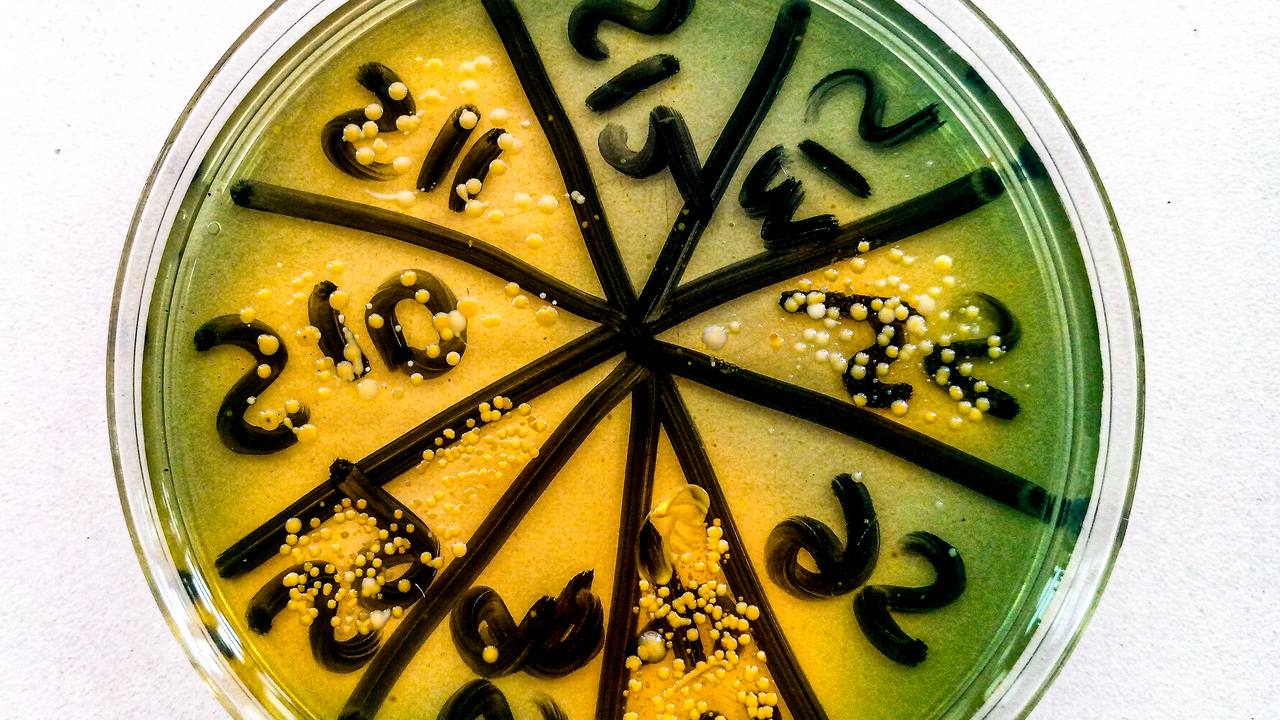
The warning came on Monday as the agency released its latest global survey of the fight against antimicrobial resistance, covering 183 countries. Its officials said progress on prevention, diagnosis and the proper use of antibiotics was still moving too slowly to hit the 2030 goals countries agreed. The agency's acting director for antimicrobial resistance said resistance was now widespread and put the future of modern medicine at risk, adding that unlike the pandemic, drug-resistant infections had been taking lives for years without the alarm they deserved.
In 2021, resistant infections caused over a million deaths outright and were connected to roughly 4.7 million more, the agency's figures show. Its latest surveillance data show that in 2023, around one in six bacterial infections confirmed in laboratories and reported to the agency did not respond to the antibiotic prescribed for it. Without testing, doctors must treat patients without knowing the cause of the infection or which drug will work, the agency's surveillance chief said.
The survey found nearly nine in ten countries now have a national action plan against resistance, up from about four in ten in 2017. But only 42 countries, less than one in five, have a plan that is financed, put into practice and monitored. Countries agreed targets for 2030 at the United Nations General Assembly in 2024, and the agency said most were failing to turn commitments into funded programmes. The survey was carried out with the United Nations environment and food agencies and the world animal health body.
The agency also released two new tools to help countries strengthen testing: one lists which tests every tier of care should offer, from neighbourhood clinics up to referral hospitals, and a second compiles 73 laboratory procedures, from collecting samples to identifying germs and checking which drugs they resist. It said the strongest defences were preventing infections, vaccination, better water and sanitation, and using antibiotics only when needed.
Key points
- The WHO warns that drug-resistant infections may be linked to over 39 million deaths across the next 25 years unless trends change.
- In 2021, resistant infections caused more than a million deaths outright and were connected to about 4.7 million more; in 2023, around one in six confirmed bacterial infections did not respond to treatment.
- Nearly nine in ten countries now have a national action plan, but only 42 have one that is financed, implemented and monitored, leaving the world off track for 2030 targets.
- The WHO released two new diagnostic tools and said prevention, vaccination, clean water and proper antibiotic use are the main defences.