WHO Closes Climate and Health Challenge After Showcasing 24 Projects From Around the World
The World Health Organization has closed its Climate and Health Co-benefits Challenge, a global call for climate projects outside the health sector that are already delivering measurable gains for people’s health.
The challenge was run by the WHO Asia-Pacific Centre for Environment and Health in the Western Pacific, with support from the Rockefeller Foundation and the Pathfinder Initiative. It was launched at the World Health Assembly in Geneva in May, inviting governments, universities, civil society groups, companies and international agencies to submit evidence of climate action that improves health.
Submissions ran from May 18 to August 31, and 24 case studies were selected for a final portfolio, showcased at the pre-COP31 meeting in Fiji in October. The projects span clean energy, sustainable transport, climate-resilient cities, food systems, and water and sanitation, areas where action to cut emissions or adapt to warming also protects health. The selected studies will also feed into wider evidence platforms used to guide climate and health policy and investment decisions worldwide.
The examples the challenge highlights include shifts to renewable energy that clean the air, urban greening that keeps neighbourhoods cooler during heatwaves, and moves towards sustainable diets that lower rates of preventable disease. The WHO says documenting such cases matters because the health gains of climate action are widely recognised in theory but rarely connected to funding and policy decisions.
The challenge sits within a wider WHO push to put health at the centre of climate policy, under its Global Action Plan on Climate and Health and the Belém Health Action Plan adopted at COP30. The organisation estimates that climate change will cause about 250,000 additional deaths a year between 2030 and 2050 from causes including heat, malaria, diarrhoea and undernutrition, a toll it says the right climate policies can help to cut.
Key points
- The WHO has closed its Climate and Health Co-benefits Challenge after selecting 24 case studies from around the world.
- The challenge, launched at the World Health Assembly in May, sought climate projects outside health that deliver measurable health gains.
- Selected projects cover clean energy, sustainable transport, greener cities, food systems, and water and sanitation.
- The WHO estimates climate change will cause about 250,000 additional deaths a year between 2030 and 2050, a toll the right climate policies can help to cut.
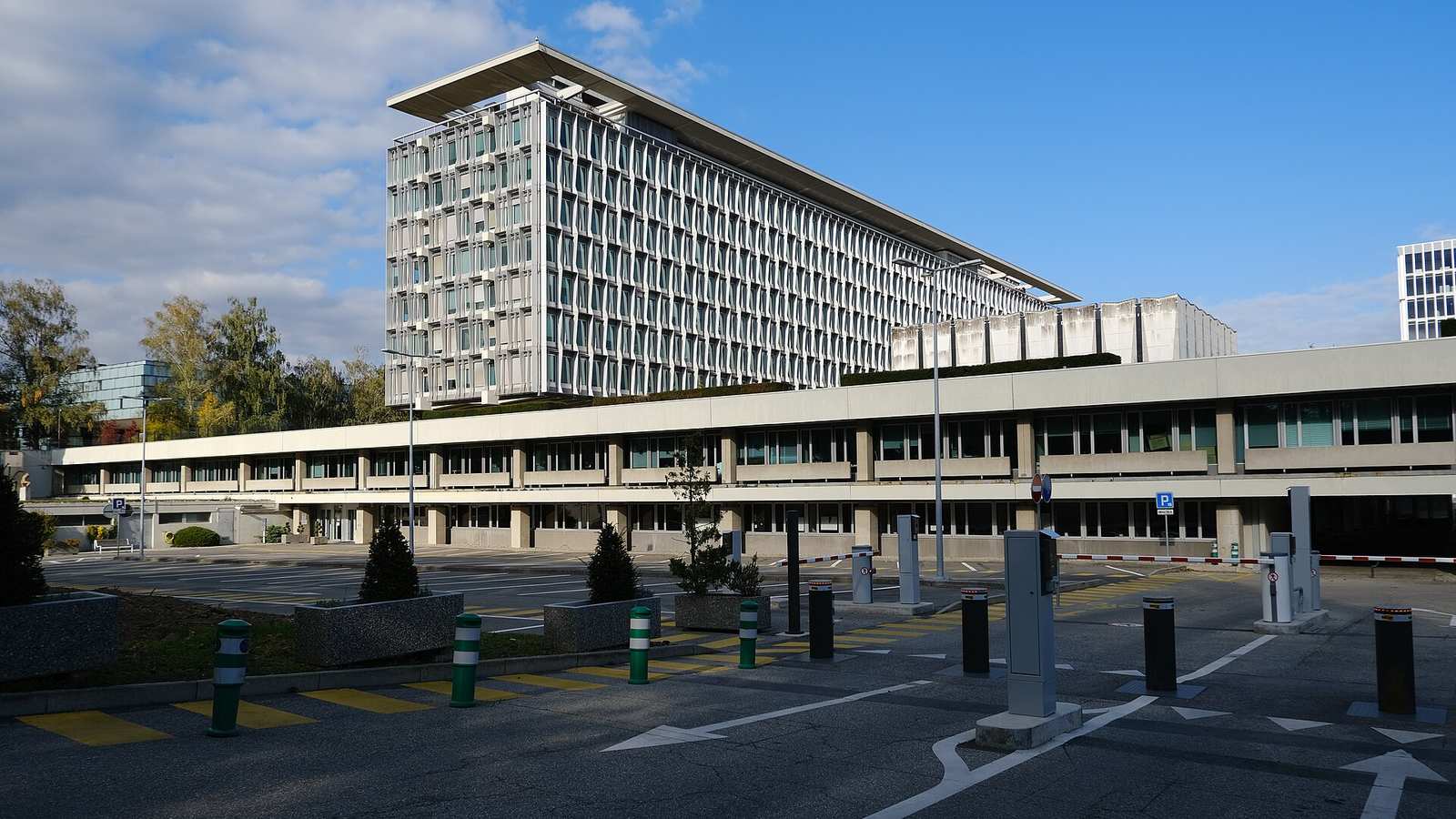
Photo: Guilhem Vellut, CC BY 2.0, via Wikimedia Commons